Many new mothers feel weepy, worried, or worn out in the days after giving birth, and for most, those feelings pass on their own. Postpartum depression is different: it lasts longer, is more severe, and generally does not get better without treatment.170 Knowing the difference can help you, or someone you love, get care sooner. A mother is not to blame for perinatal depression; it is not caused by anything she has or has not done.170
What the baby blues are
“Baby blues” describes mild, short-lasting mood changes, worry, unhappiness, and exhaustion that many women have in the first 2 weeks after giving birth.170 ACOG says these feelings often begin about 2 to 3 days after childbirth and usually get better within a few days or 1 to 2 weeks without any treatment.172
With the baby blues, you may have mood swings, feel sad, anxious, or overwhelmed, have crying spells, lose your appetite, or have trouble sleeping.171 Some people also question whether they can handle caring for a baby.172
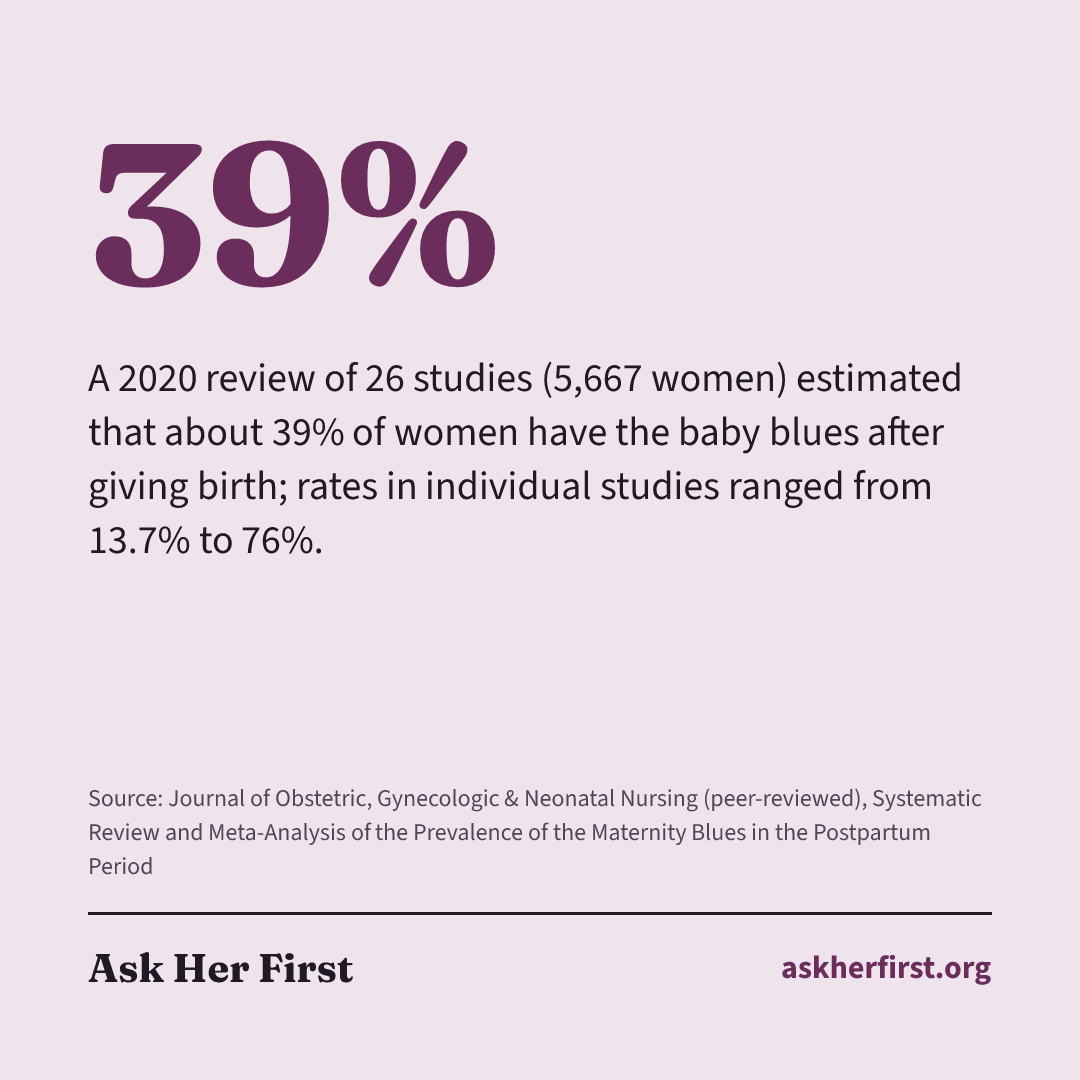
The baby blues are common. A 2020 review of 26 studies (5,667 women) estimated that about 39% of women have the baby blues after giving birth; rates in individual studies ranged from 13.7% to 76%.179
What postpartum depression is
Postpartum depression is a serious mental health condition that involves the brain and affects behavior and physical health.171 The FDA describes it as a major depressive episode that typically occurs after childbirth but can also begin during the later stages of pregnancy.176
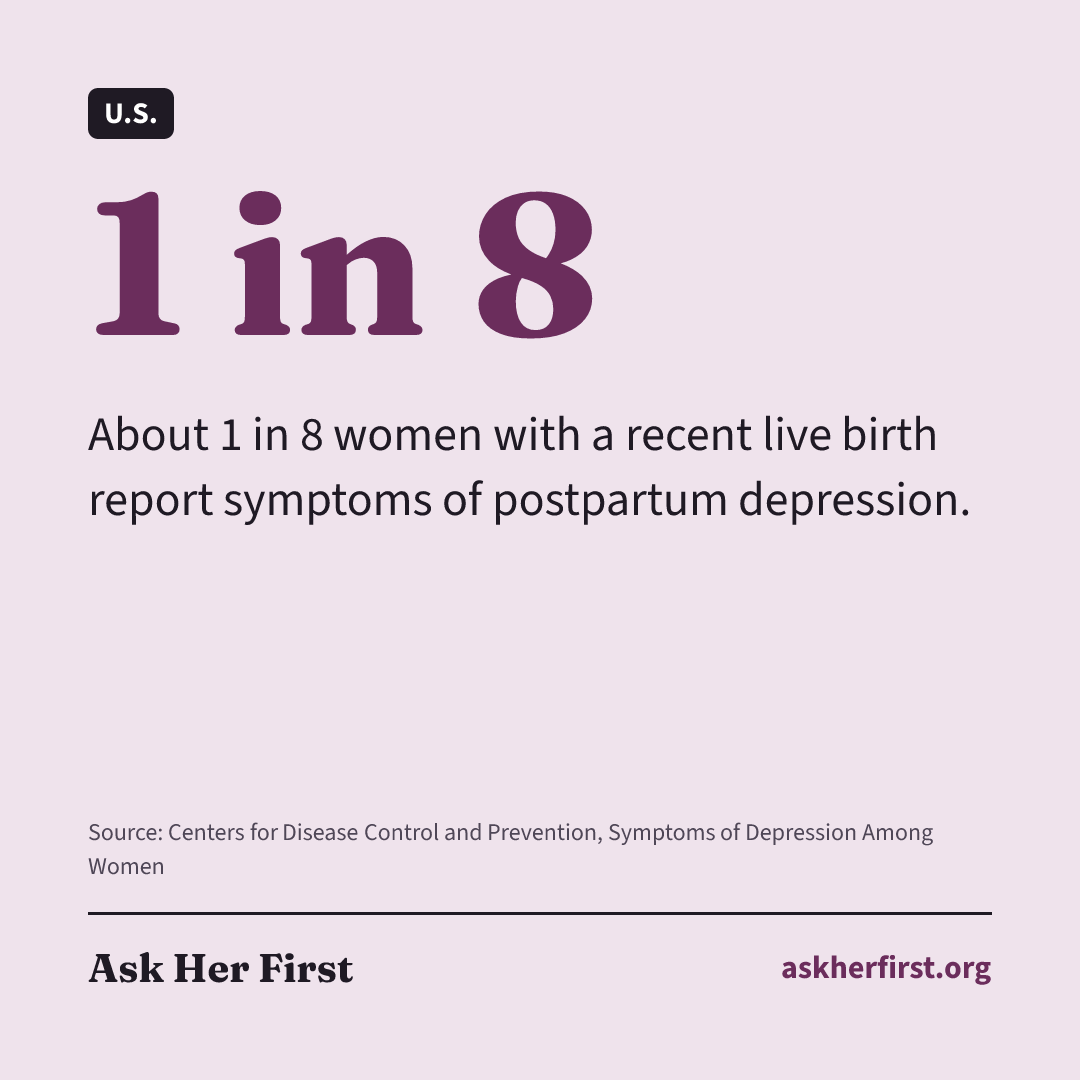
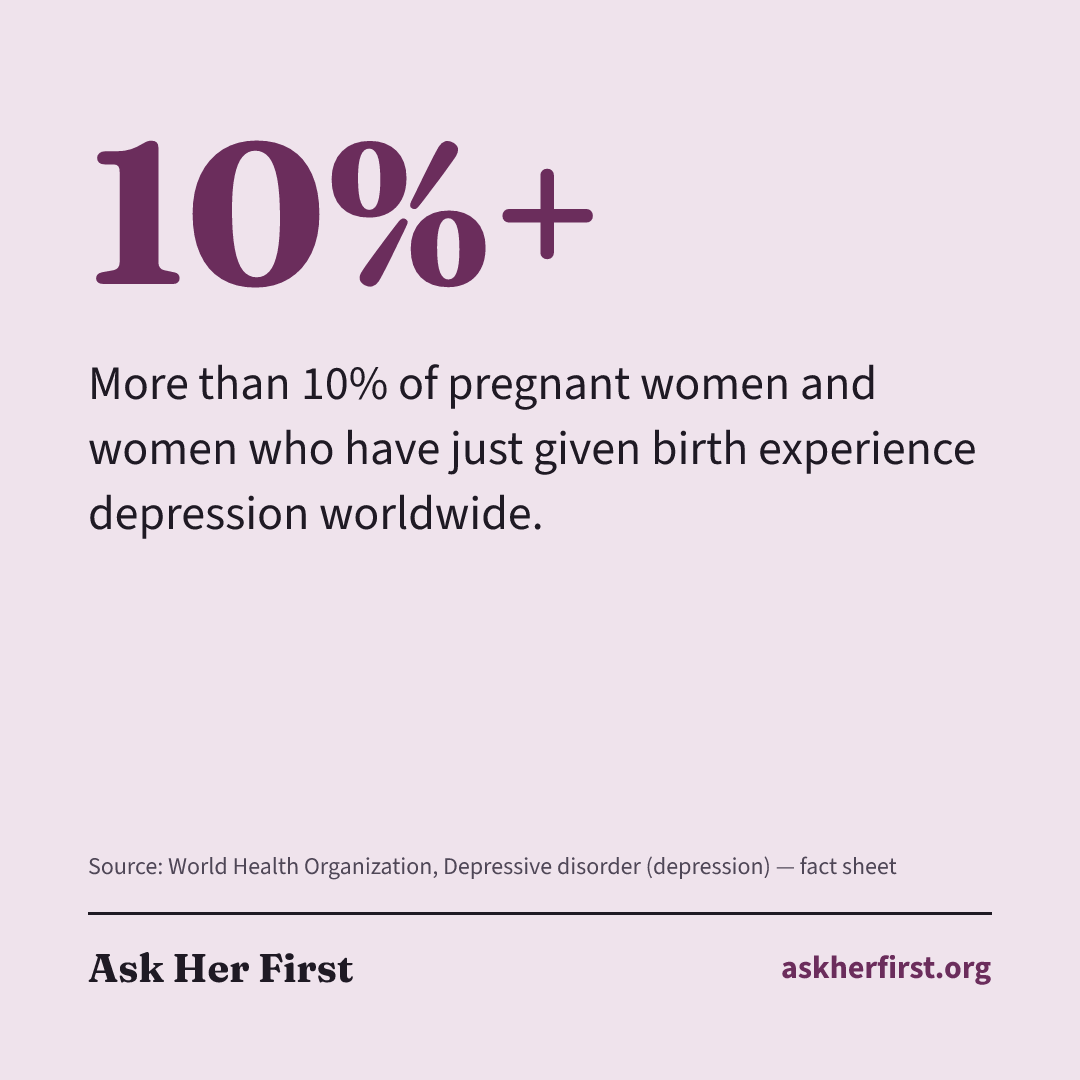
It is common. U.S.About 1 in 8 women with a recent live birth report symptoms of postpartum depression.13 More than 10% of pregnant women and women who have just given birth experience depression worldwide.2
How to tell them apart
Mood changes and feelings of anxiety or unhappiness that are severe or last longer than 2 weeks after childbirth may be signs of postpartum depression.170 Compared with the baby blues, symptoms of postpartum depression last longer, are more severe, and may need treatment from a health care professional.171
Timing. Postpartum depression can occur up to 1 year after having a baby, and ACOG says it most commonly starts about 1 to 3 weeks after childbirth.172 NIMH says most episodes of perinatal depression begin within 4 to 8 weeks after the baby is born.170 Left untreated, postpartum depression can last for months or years.173
Symptoms. Common signs include:170
- A sad, anxious, or “empty” mood most of the day, nearly every day, for at least 2 weeks
- Feelings of hopelessness, guilt, worthlessness, or helplessness
- Irritability, frustration, or restlessness
- Loss of interest or pleasure in hobbies and activities
- Fatigue, trouble concentrating, and changes in appetite
- Trouble sleeping even when the baby is asleep, or oversleeping
- Trouble bonding with the baby, or persistent doubts about being able to care for the baby
- Thoughts of death, of harming yourself or the baby, or suicide attempts
Some women don’t tell anyone about their symptoms because they feel embarrassed, ashamed, or guilty, or worry they will be seen as bad mothers.171 Frightening thoughts about harming the baby are almost never acted on, but you should tell your health care provider about them right away.173
Low thyroid hormone levels after birth can also cause symptoms of depression, and a simple blood test can check for this.171
Depression during pregnancy
Perinatal depression includes depression that starts during pregnancy (prenatal depression) as well as in the weeks and months after birth.170 Self-reported depression during pregnancy in the U.S. rose from 11.6% in 2016 to 14.8% in 2019, according to Pregnancy Risk Assessment Monitoring System data.175 The USPSTF notes that depression during pregnancy increases the risk of preterm birth and low birth weight or small-for-gestational-age babies.175
Postpartum psychosis is an emergency
Postpartum psychosis is a serious mental illness that can occur after childbirth. Women with it may have delusions (beliefs that are not true), hallucinations (seeing, hearing, or smelling things that are not there), mania, paranoia, and confusion.170 Postpartum psychosis is rare: studies reviewed in 2017 found it in about 0.89 to 2.6 of every 1,000 women after childbirth.180
NIMH calls postpartum psychosis a psychiatric emergency that requires hospitalization, and says anyone with symptoms should call 911 or go to the nearest emergency room. Recovery is possible with professional help.170
Who is at higher risk
Perinatal depression can affect any pregnant or postpartum woman, regardless of age, race, ethnicity, income, culture, or education.170 It does not have a single cause; research suggests genetic and environmental factors both contribute.170 Estrogen and progesterone levels drop sharply in the hours after childbirth, which may help trigger depression.172
Risk is higher for women who:
- Have a personal or family history of depression or bipolar disorder, or had depression with a previous pregnancy170
- Experienced abuse or adversity as a child, or are experiencing or have experienced domestic violence171
- Have little or no support from family, friends, or partners, or face relationship struggles, money problems, or other stressful life events171
- Had problems with a previous pregnancy or birth, or have a baby born prematurely or with special health care needs171
- Had an unplanned or unwanted pregnancy, or pregestational or gestational diabetes174
Screening: what the guidelines say
The U.S. Preventive Services Task Force (USPSTF) recommends screening for depression in adults, including pregnant and postpartum persons (a “B” recommendation, June 20, 2023).175 It found the evidence insufficient to judge screening for suicide risk in the same groups.175
Separately, the USPSTF recommends that clinicians provide or refer pregnant and postpartum people at increased risk of perinatal depression to counseling, such as cognitive behavioral therapy or interpersonal therapy.174 It found convincing evidence that these counseling interventions help prevent perinatal depression in people at increased risk.174 That recommendation dates from February 12, 2019, and the USPSTF lists the topic as being updated.174
The American College of Obstetricians and Gynecologists (ACOG) published a 2023 guideline on screening and diagnosis of mental health conditions during pregnancy and postpartum, covering depression, anxiety, bipolar disorder, suicidality, and postpartum psychosis.183 ACOG tells patients to call their ob-gyn right away if they think they may have postpartum depression, and not to wait for the postpartum checkup.172
There is no single test to diagnose postpartum depression; diagnosis is based on the symptoms you describe to your provider, who may also order blood or urine tests to check for a physical illness.173
Treatment works
With proper treatment, most women feel better and their symptoms improve.170 Treatment usually includes therapy, medication, or both.170
Talk therapy. Evidence-based therapies for perinatal depression include cognitive behavioral therapy (CBT) and interpersonal therapy (IPT).170
Antidepressants. Antidepressants can effectively treat perinatal depression alone or combined with therapy, and they usually take 4 to 8 weeks to work.170 Antidepressants pass into breast milk, generally at very low levels; ACOG recommends talking with your ob-gyn about the benefits and risks if you are breastfeeding.172
Zuranolone (Zurzuvae). On August 4, 2023, the FDA approved zuranolone as the first oral medicine for postpartum depression in adults.176 It is taken once daily in the evening for 14 days, with food that contains fat.177 In two placebo-controlled trials, women taking it had significantly greater improvement in depression symptoms than those taking placebo.177 Its label carries a boxed warning: it can impair driving, so patients should not drive or do other potentially hazardous activities for at least 12 hours after each dose, and they may not be able to judge their own impairment.177 The label also says it may cause fetal harm and advises effective contraception during treatment and for 1 week after the last dose.177 Zuranolone passes into breast milk, and ACOG suggests discussing breastfeeding options with your ob-gyn.172
Brexanolone (Zulresso) is no longer available. Brexanolone was an IV infusion given over 60 hours in a medical setting.171 Its maker told the FDA it was no longer marketed, and the FDA withdrew the drug’s approval as of April 14, 2025.178 Some government health pages still describe it as a treatment option.170,171
If you have had depression before, ACOG suggests telling your ob-gyn early in prenatal care, or ideally before pregnancy, so you can plan ahead.172
Effects on babies, partners, and families
Treating perinatal depression matters for both mother and baby, because the disorder can have serious effects on both.170 Perinatal depression increases the risk of suicide and suicidal thoughts.174 The USPSTF also notes it is linked with earlier stopping of breastfeeding, and that children of mothers who had perinatal depression show more behavior problems and lower cognitive functioning.174
Partners can be affected too. A 2016 review of 74 studies (41,480 participants) found depression in about 8.4% of fathers between pregnancy and one year after birth.181 An earlier review found that depression in fathers was moderately correlated with depression in mothers.182
Spouses, partners, family, and friends may be the first to notice signs of depression in a new mother.170 They can help by encouraging her to talk with a health care provider, helping her get to appointments, offering emotional or practical support, and helping care for the baby or home.170
What we don’t know yet
- How common it really is. Estimates depend on how depression is measured. The U.S. figures above come from mothers’ own reports of symptoms, not diagnoses.171,175 The baby-blues estimate combines studies with very different results.179
- Who will get it. There is no accurate screening tool for identifying who is at risk of perinatal depression and who might benefit from prevention.174
- Prevention beyond counseling. The USPSTF found limited or mixed evidence for physical activity, education, medicines, supplements, and health system changes to prevent perinatal depression, and says data are lacking on antidepressants for prevention.174
- Postpartum psychosis. Studies define and measure it so differently that researchers could not combine them into a single global estimate.180
- Newer medicines. The trials behind zuranolone’s approval followed patients for at least 4 weeks after the 14-day course.177 Researchers continue to study treatment options for perinatal depression.170
Questions to ask your doctor
- Could what I’m feeling be the baby blues, postpartum depression, or something else, like a thyroid problem?
- Will you screen me for depression at my prenatal and postpartum visits?
- I’ve had depression before. Can we make a plan now for after the baby arrives?
- What are my options for talk therapy, and how do I get a referral?
- Which treatments fit with breastfeeding, and what are the risks and benefits of each?
- Is zuranolone an option for me? How would the no-driving rule and the contraception advice work in my situation?
- What should my partner or family watch for, and when should they call you or 911?
This article summarizes published research and official health information. It has not been reviewed by a clinician and is not medical advice. How we source.