Mental health
Depression, anxiety, PTSD, eating disorders, and mental health during and after pregnancy: how common they are for women, and how often care is missed.
What the research shows
Global figures unless labeled U.S. Superscripts link to the full source list. Use "Save image" to share a stat.
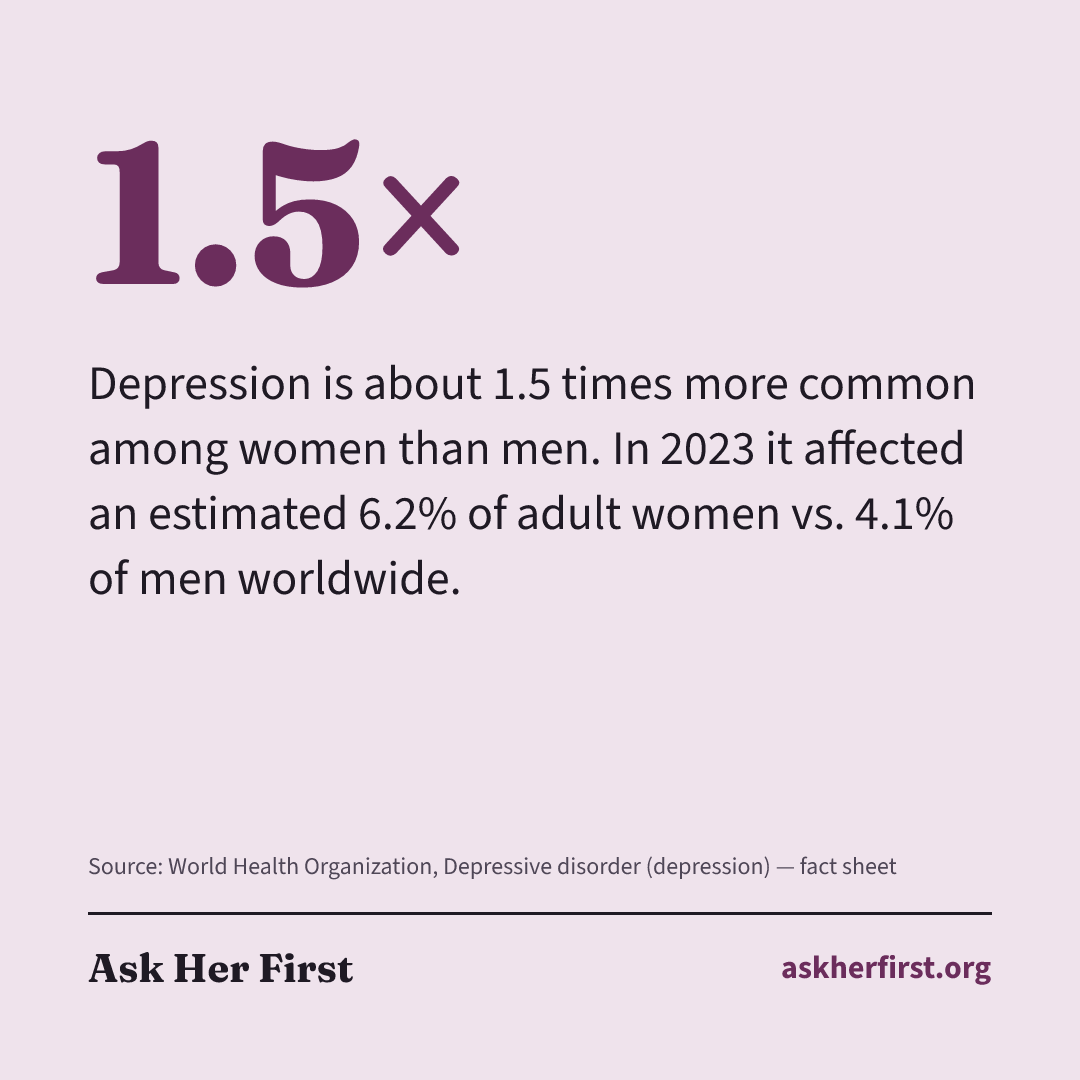
Depression is about 1.5 times more common among women than men. In 2023 it affected an estimated 6.2% of adult women vs. 4.1% of men worldwide.
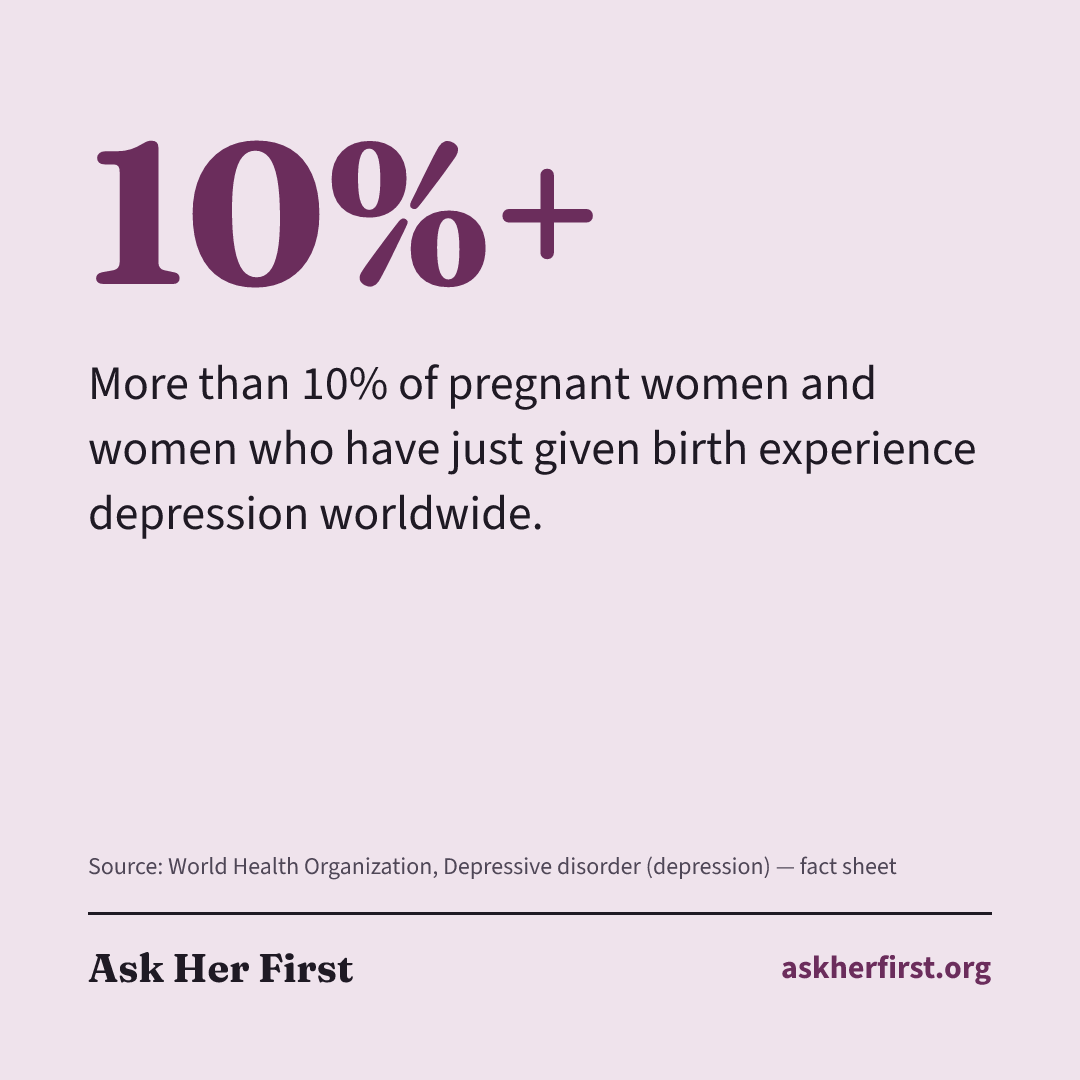
More than 10% of pregnant women and women who have just given birth experience depression worldwide.
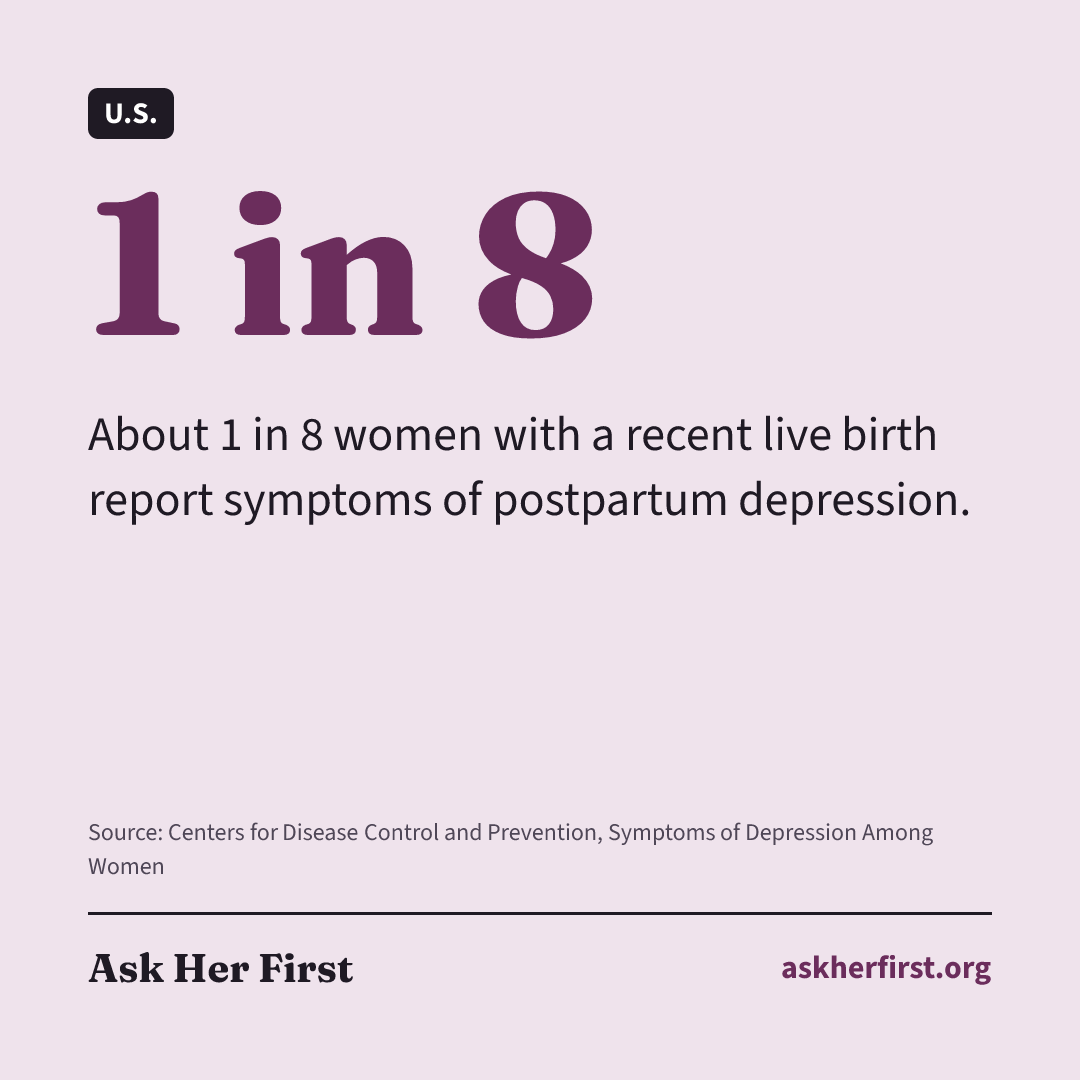
U.S.About 1 in 8 women with a recent live birth report symptoms of postpartum depression.
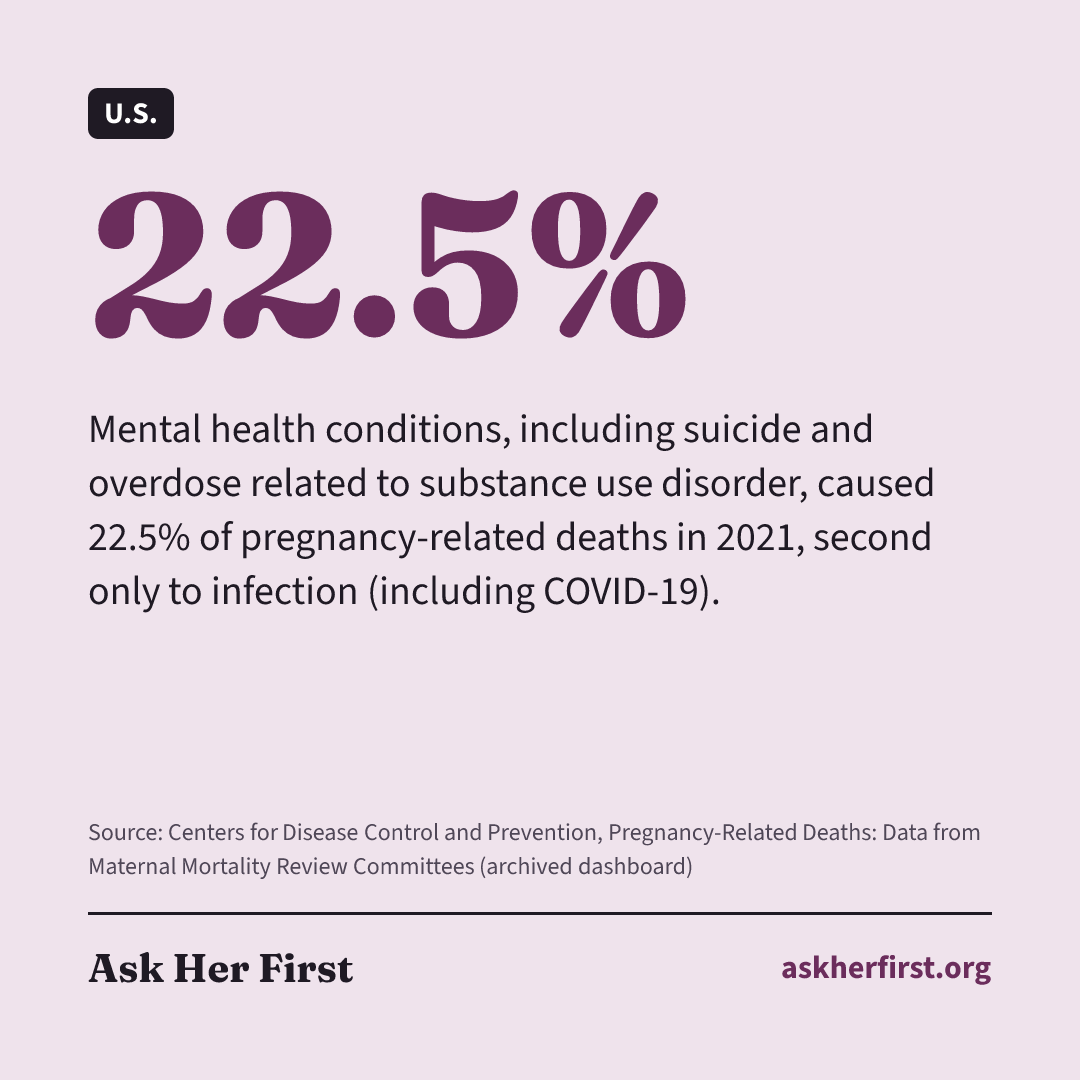
U.S.Mental health conditions, including suicide and overdose related to substance use disorder, caused 22.5% of pregnancy-related deaths in 2021, second only to infection (including COVID-19).
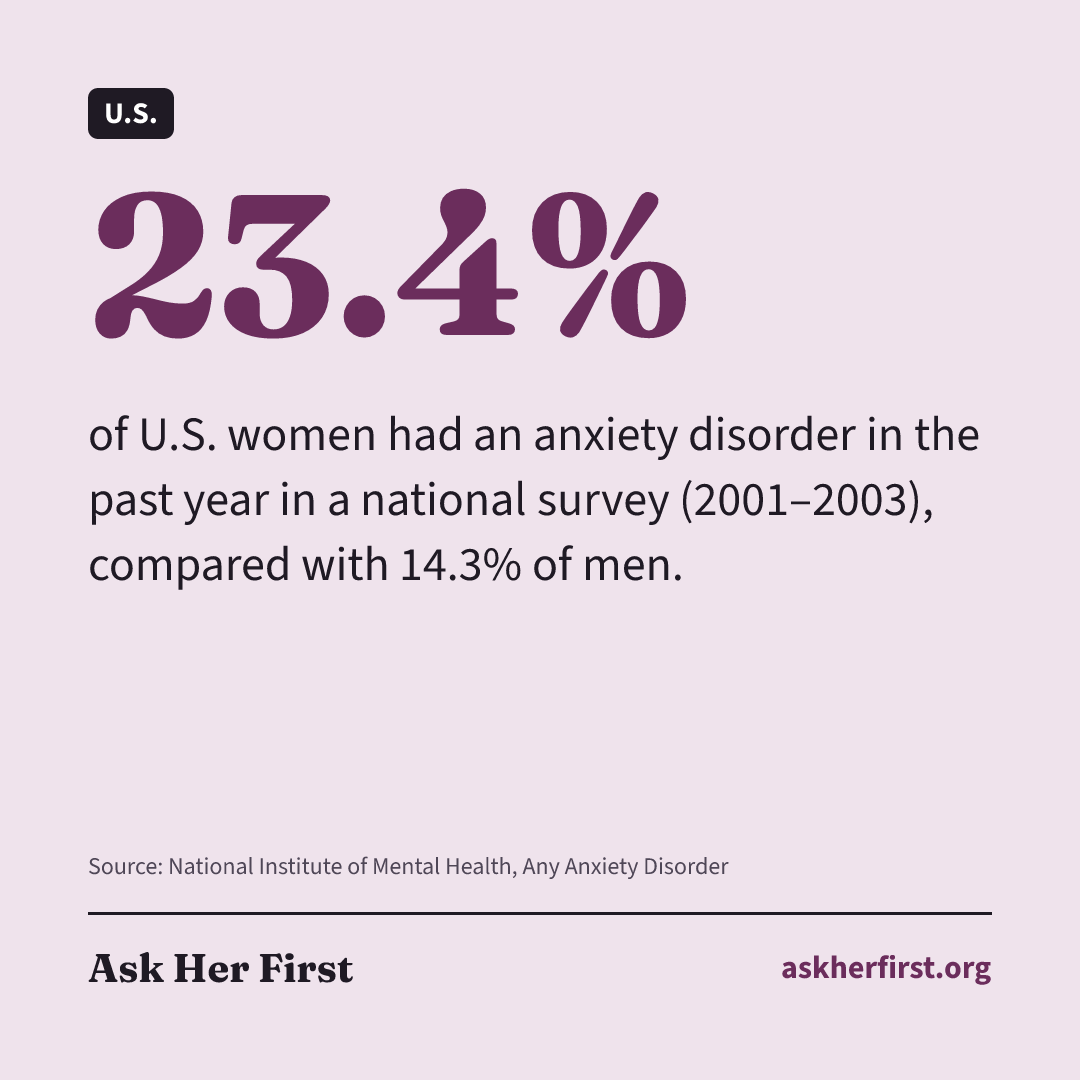
U.S.of U.S. women had an anxiety disorder in the past year in a national survey (2001–2003), compared with 14.3% of men.
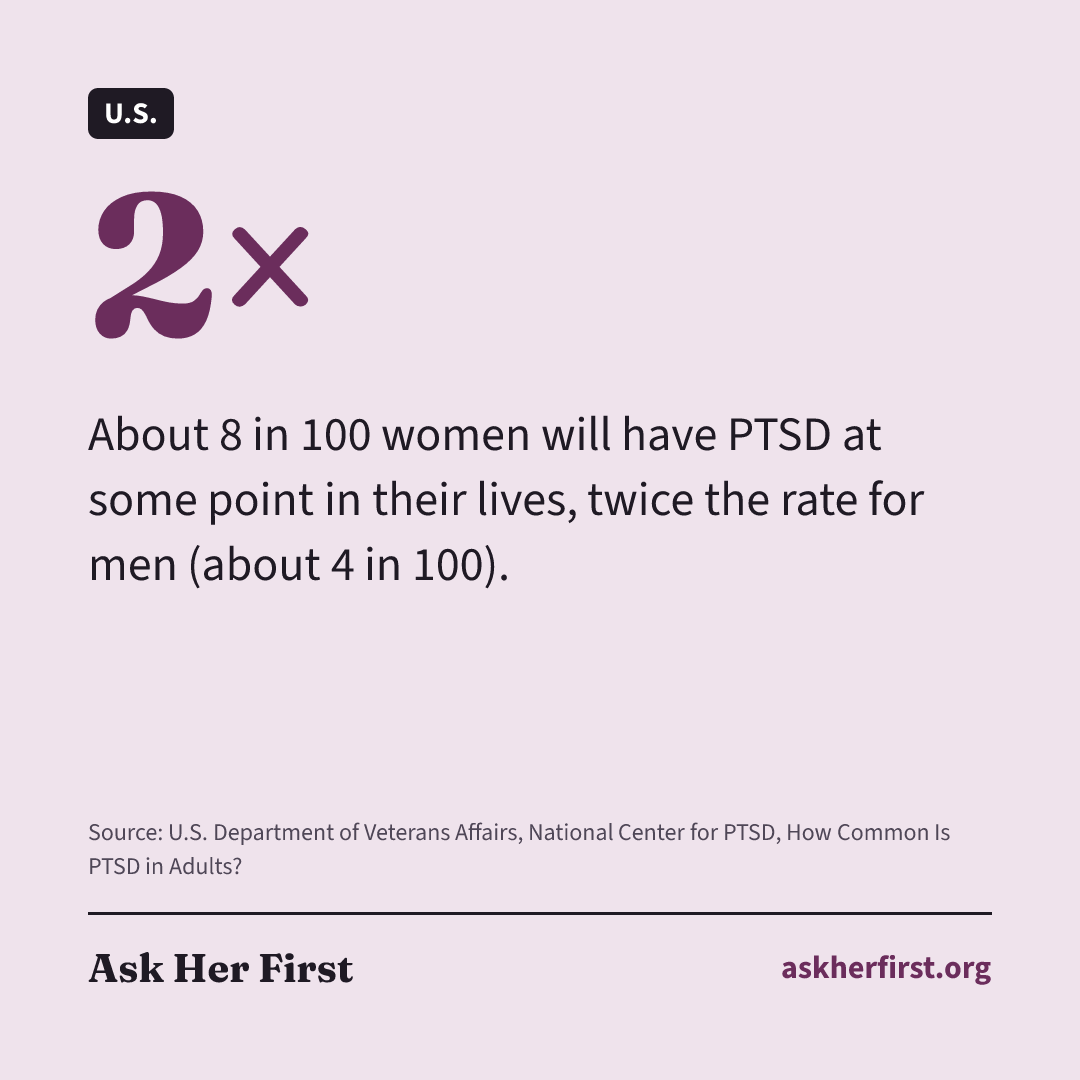
U.S.About 8 in 100 women will have PTSD at some point in their lives, twice the rate for men (about 4 in 100).
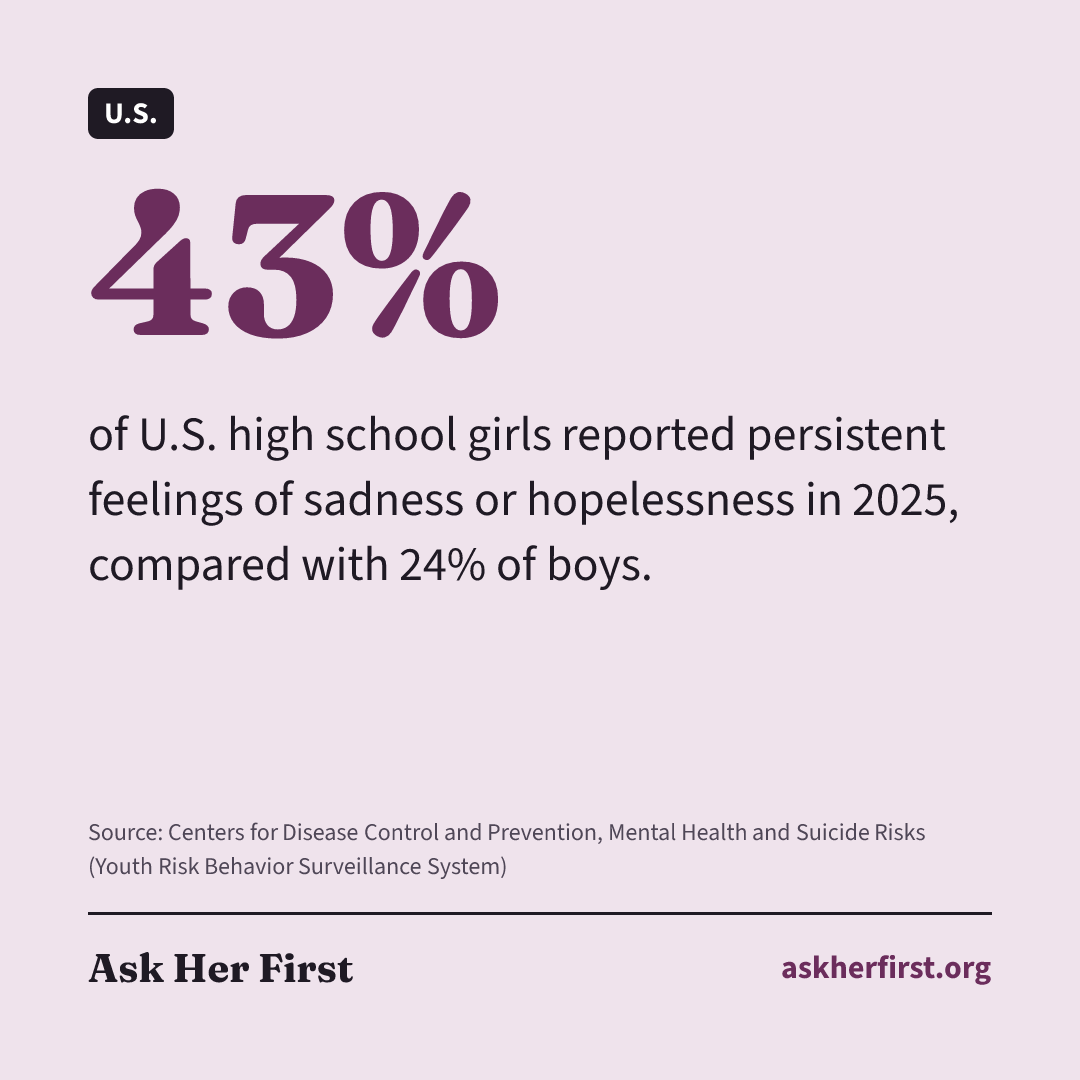
U.S.of U.S. high school girls reported persistent feelings of sadness or hopelessness in 2025, compared with 24% of boys.
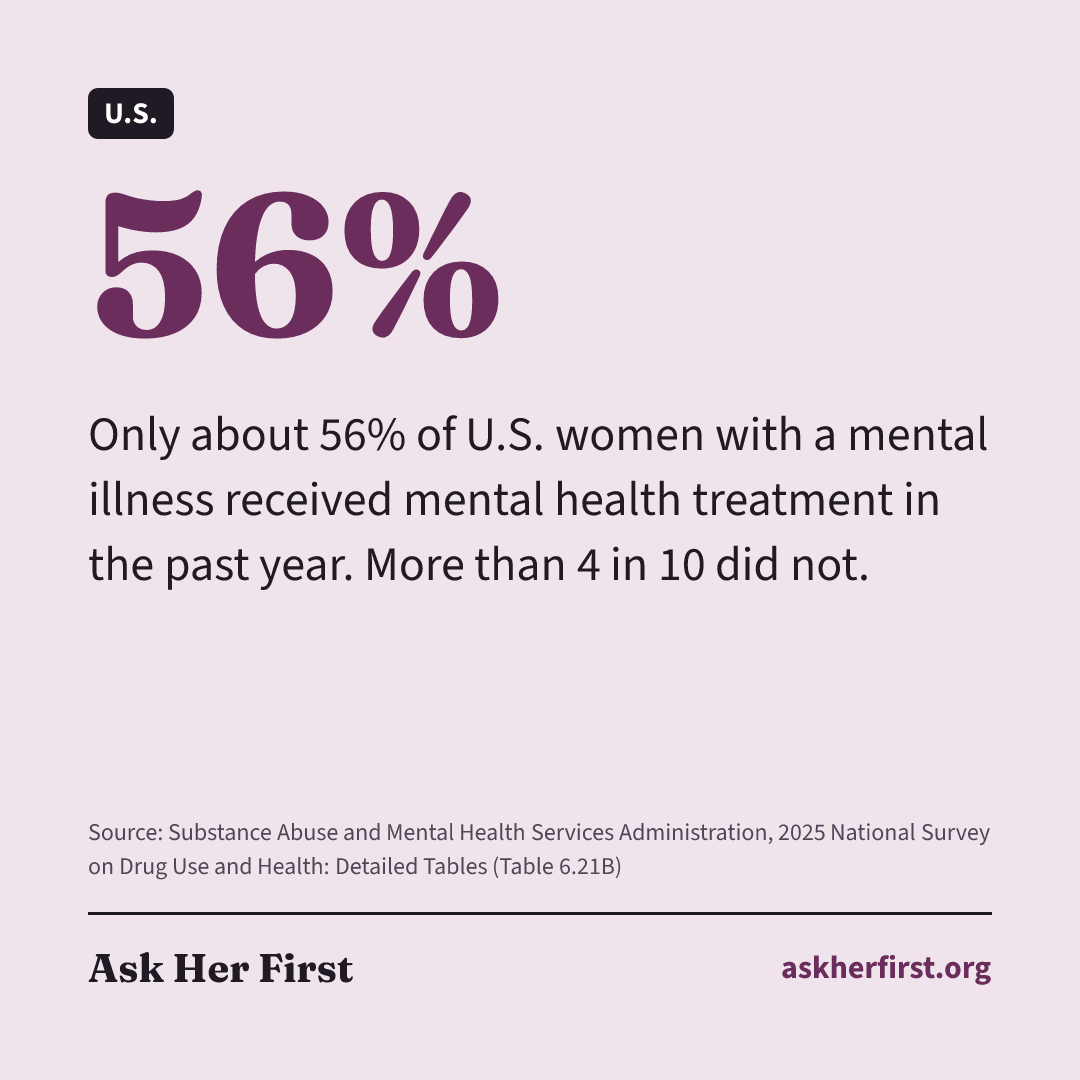
U.S.Only about 56% of U.S. women with a mental illness received mental health treatment in the past year. More than 4 in 10 did not.
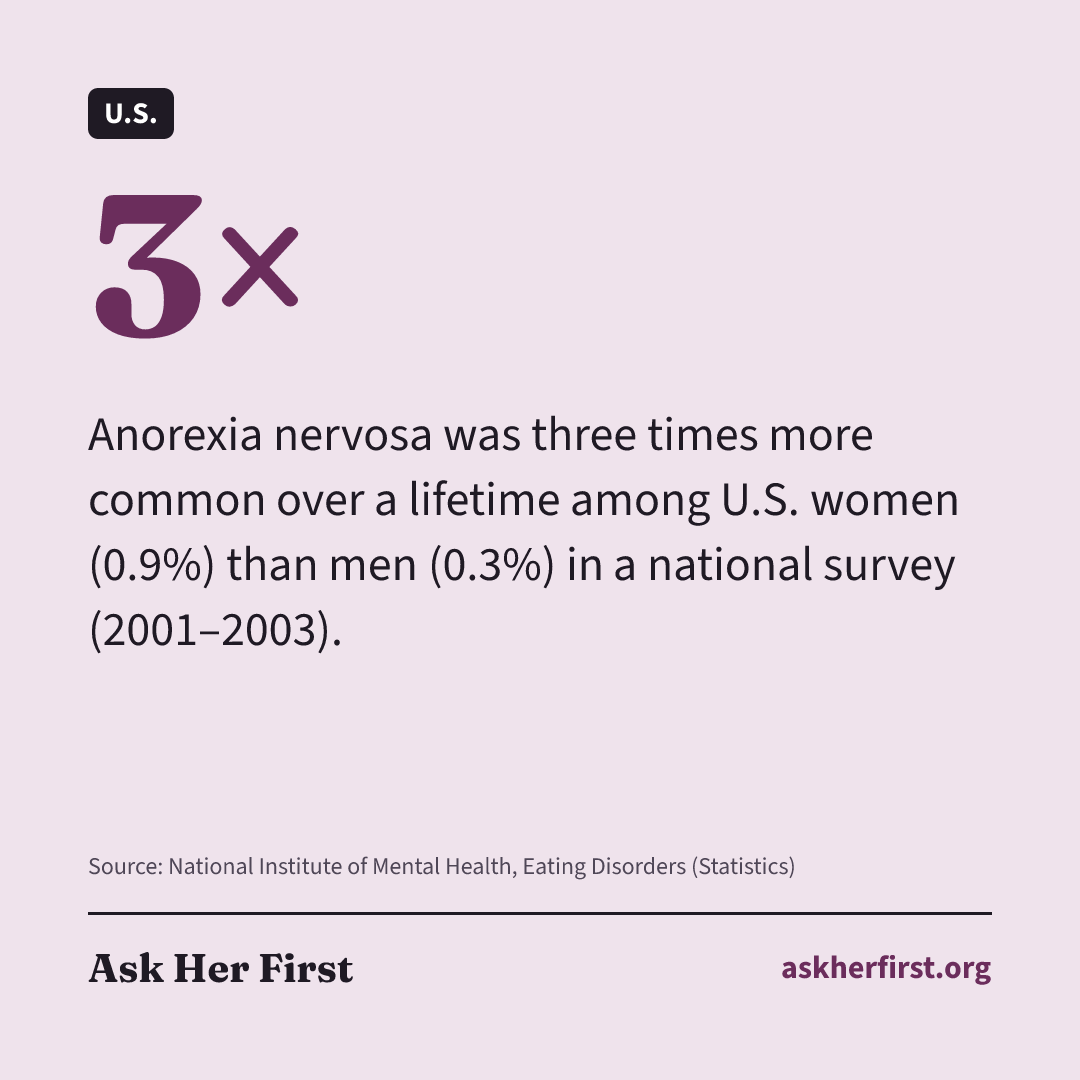
U.S.Anorexia nervosa was three times more common over a lifetime among U.S. women (0.9%) than men (0.3%) in a national survey (2001–2003).
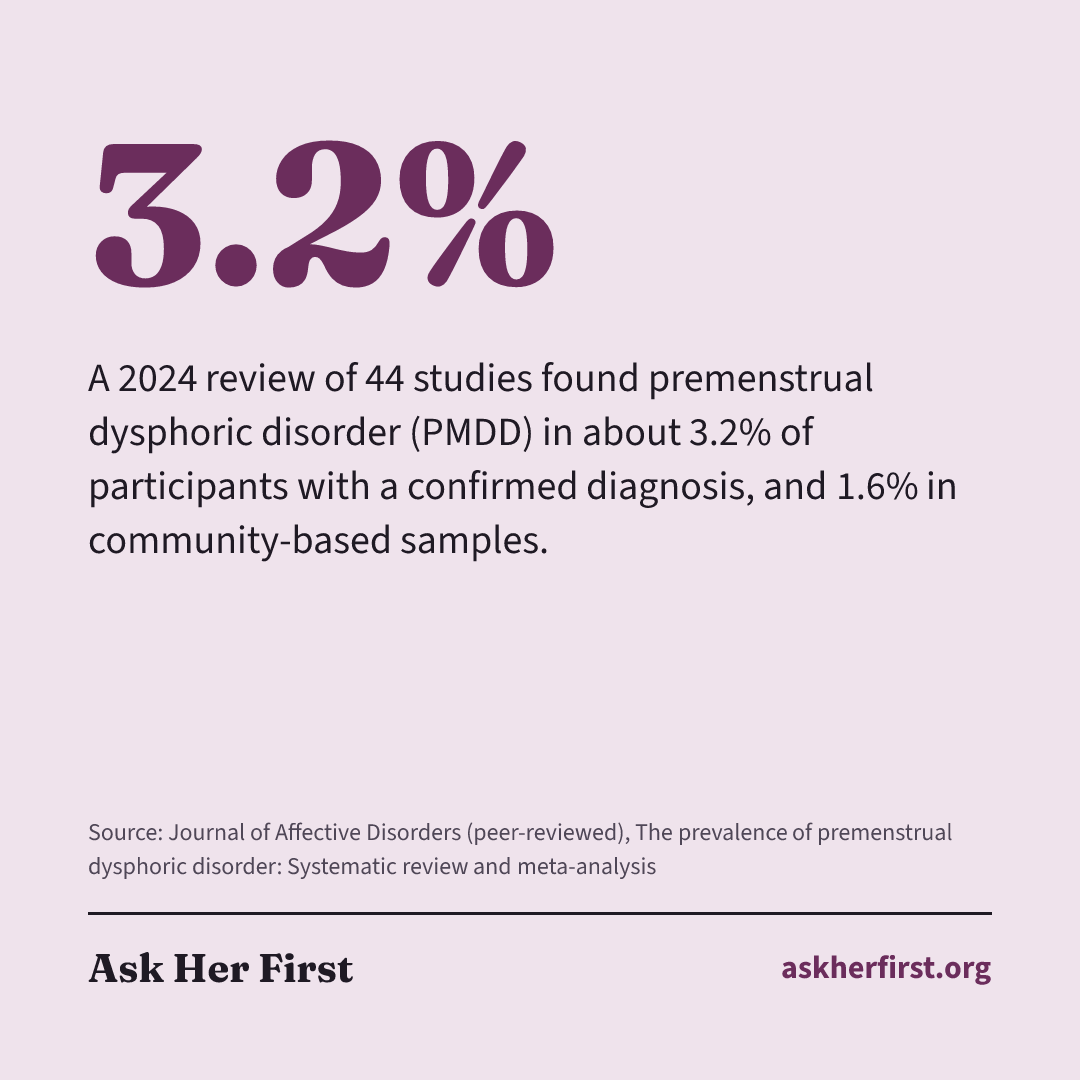
A 2024 review of 44 studies found premenstrual dysphoric disorder (PMDD) in about 3.2% of participants with a confirmed diagnosis, and 1.6% in community-based samples.
Private self-checks
Screening questionnaires doctors widely use. Nothing is saved or sent.
Read more
In-depth, fully sourced articles. All articles
- ADHD and autism in girls and women: why they're often missedGirls and women with ADHD or autism are often diagnosed later, or not at all. What the data show, how signs can look different, and what to ask.
- Eating disorders in adult women: not just a teen problemEating disorders affect women in midlife and beyond, not only teens. What research shows about adult women, warning signs, health risks, and treatment.
- Hormonal birth control and mood: what the research showsLarge studies link hormonal birth control with a higher risk of depression in some users, especially teens. Other studies don't. What's known and what to ask.
- Perimenopause and mental healthDepression and anxiety risk can rise in the years before menopause. What the research shows, why it gets missed, and what treatment options sources describe.
- PMDD: when it's more than PMSPremenstrual dysphoric disorder (PMDD) is a recognized depressive disorder, not "bad PMS." What it is, how it's diagnosed, and which treatments have evidence.
- Postpartum depression vs. the baby bluesThe baby blues fade within about 2 weeks. Postpartum depression lasts longer, is more severe, and is treatable. How to tell them apart and where to get help.
- Social media and teen girls' mental health: what we knowWhat the U.S. Surgeon General, the CDC, and researchers say about social media and teen girls: the risks, the benefits, and what's still unknown.
You're not imagining it
Common things women hear, and what the data says.
Myth
Depression affects women and men about equally.
Fact
Depression is about 1.5 times more common among women than men. In 2023 it affected an estimated 6.2% of adult women vs. 4.1% of men worldwide.2
Myth
Depression after having a baby is rare.
Fact
U.S.About 1 in 8 women with a recent live birth report symptoms of postpartum depression.13
Myth
Women with a mental illness usually get the care they need.
Fact
Only about 56% of U.S. women with a mental illness received mental health treatment in the past year. More than 4 in 10 did not.18
Myth
Teen girls and boys struggle with sadness at about the same rate.
Fact
43% of U.S. high school girls reported persistent feelings of sadness or hopelessness in 2025, compared with 24% of boys.17
Support is available
See all support options, questions to ask your doctor, or how to help someone else.
988 Suicide & Crisis Lifeline
Call or text 988 or chat at 988lifeline.org. Free and confidential. ASL via videophone.11
Call or text 988Crisis Text Line
Text HOME to 741741 or chat at connect.crisistextline.org. Free and confidential, with trained volunteer crisis counselors. En español: text HOLA to 741741.31
Chat onlineNational Maternal Mental Health Hotline
Call 1-833-TLC-MAMA (1-833-852-6262) or text 1-833-852-6262. Free and confidential. English and Spanish. TTY: use a relay service or dial 711, then 1-833-852-6262.10
Call 1-833-TLC-MAMAPostpartum Support International HelpLine
Call 1-800-944-4773 or text "Help" to 800-944-4773 (English) or 971-203-7773 (Spanish). English and Spanish. Does not handle emergencies; in a crisis, call 988 or 911.29
Call 1-800-944-4773If you are in immediate danger, call 911.