Women live longer. They also spend 25% more of their lives in poor health.1
Clear, sourced information about the conditions, rights, and mental-health realities that women are too often told to live with. Every number on this site links to where it came from.
Explore by topic
Each topic brings together practical guides, free support, and the research behind them.
Mental health
Guides on depression and anxiety after birth, perimenopause, PMDD, eating disorders, and ADHD and autism, plus private self-checks and support lines.
Explore mental healthBody & health
Guides on heart attack symptoms, pregnancy complications, heavy periods, endometriosis, PCOS, menopause, and cancer screening, plus questions to ask your doctor.
Explore body & healthRights & safety
Guides on abusive relationships, stalking, what to do after a sexual assault, and pregnant workers' rights, plus confidential hotlines.
Explore rights & safetyPractical guides
What to know, what to ask, and where to get help. Every fact links to its source.
Mental health
Postpartum depression vs. the baby blues
The baby blues fade within about 2 weeks. Postpartum depression lasts longer, is more severe, and is treatable. How to tell them apart and where to get help.
Body & health
Heart attack symptoms in women
Chest pain is the most common heart attack symptom in women, but other signs are common too. What to watch for, why care gets delayed, and when to call 911.
Rights & safety
Signs of an abusive relationship
Abuse is not always physical. Learn the types of partner abuse, common warning signs, why leaving is hard, and how to get or give support safely.
Mental health
Finding mental health care: what to do after a self-check
A self-check score is a starting point, not a diagnosis. How to talk with a clinician, find a therapist, get low-cost care, and know which line to call.
Body & health
Heavy periods and iron deficiency: signs, causes, and care
Heavy periods are common but not normal, and they are a leading cause of low iron. What counts as heavy, what causes it, and which tests and treatments help.
Rights & safety
Your rights at work while pregnant or nursing (U.S.)
Federal laws protect pregnant and nursing workers in the U.S. Learn about accommodations, pumping breaks, leave, and how to file a charge before deadlines pass.
See all articles, grouped by what you're looking for.
Check in with yourself
Free and private. Nothing you enter is saved or sent.
Depression self-check
The PHQ-9, a questionnaire doctors widely use, scored privately on your device.
Take the depression self-checkAfter-birth self-check
The Edinburgh scale, used during pregnancy and after birth.
Take the after-birth self-checkSee all tools, including the anxiety self-check and the support finder.
The gap, by the numbers
Global figures unless labeled U.S. Superscripts link to the sources at the bottom of this page.
What the gap costs
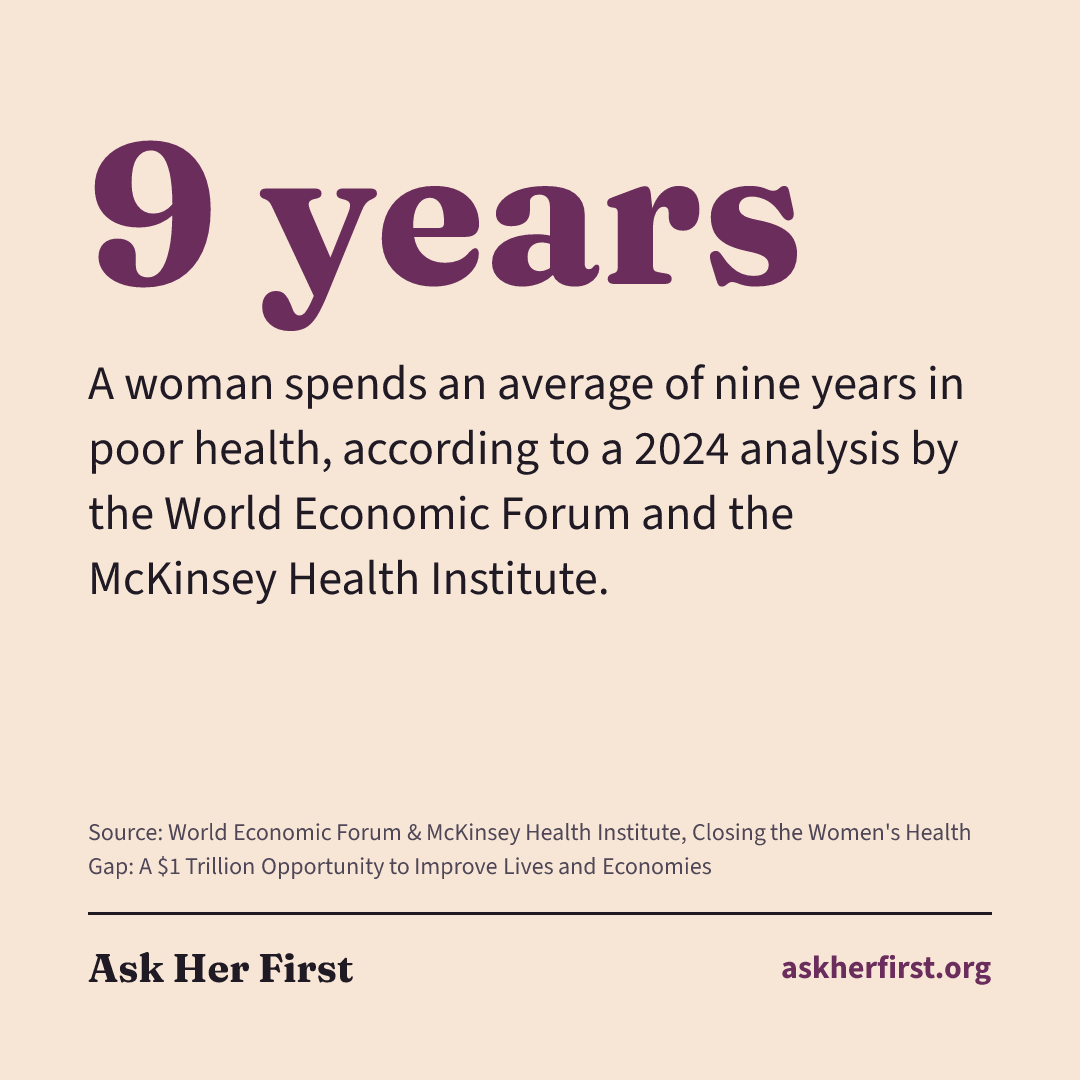
A woman spends an average of nine years in poor health, according to a 2024 analysis by the World Economic Forum and the McKinsey Health Institute.
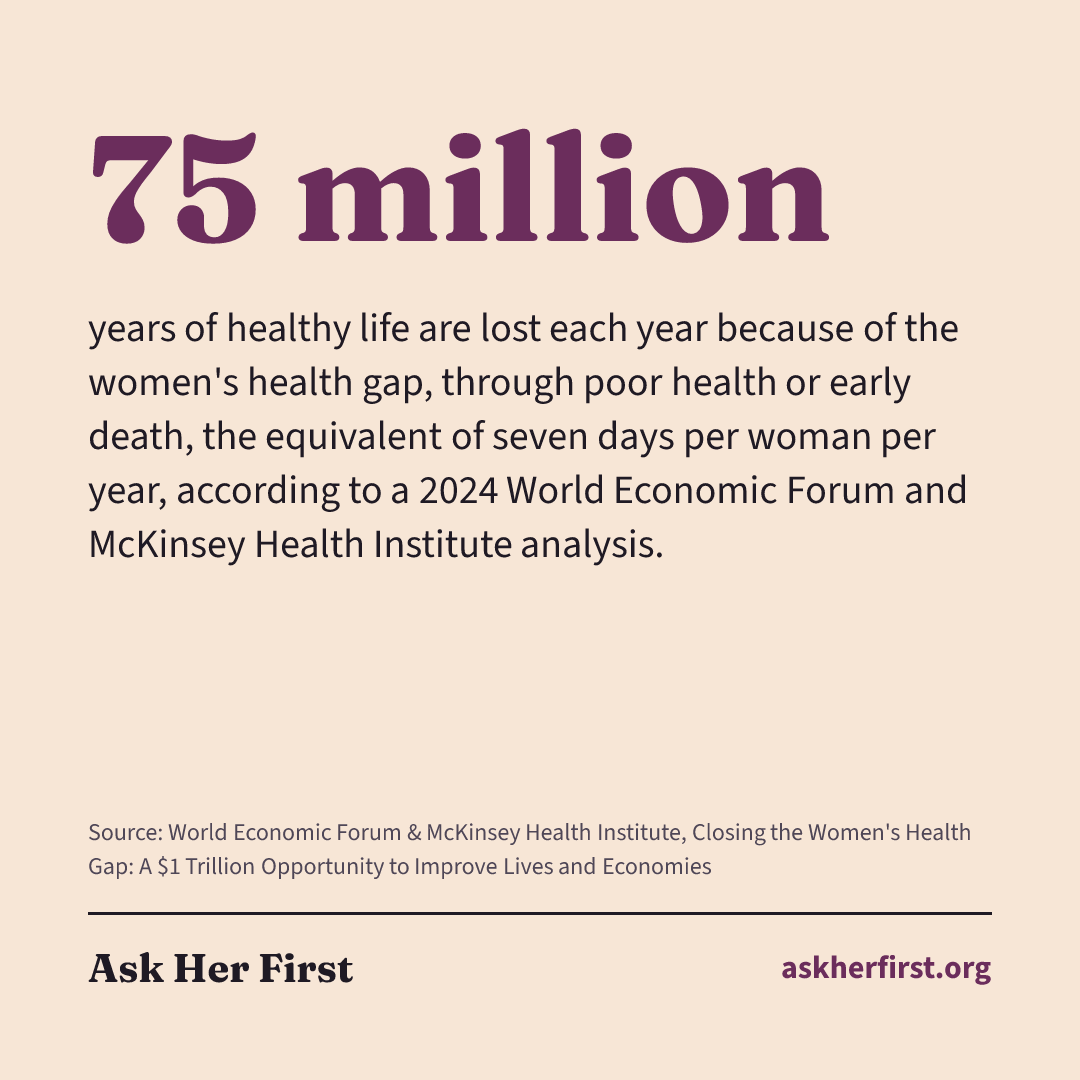
years of healthy life are lost each year because of the women's health gap, through poor health or early death, the equivalent of seven days per woman per year, according to a 2024 World Economic Forum and McKinsey Health Institute analysis.
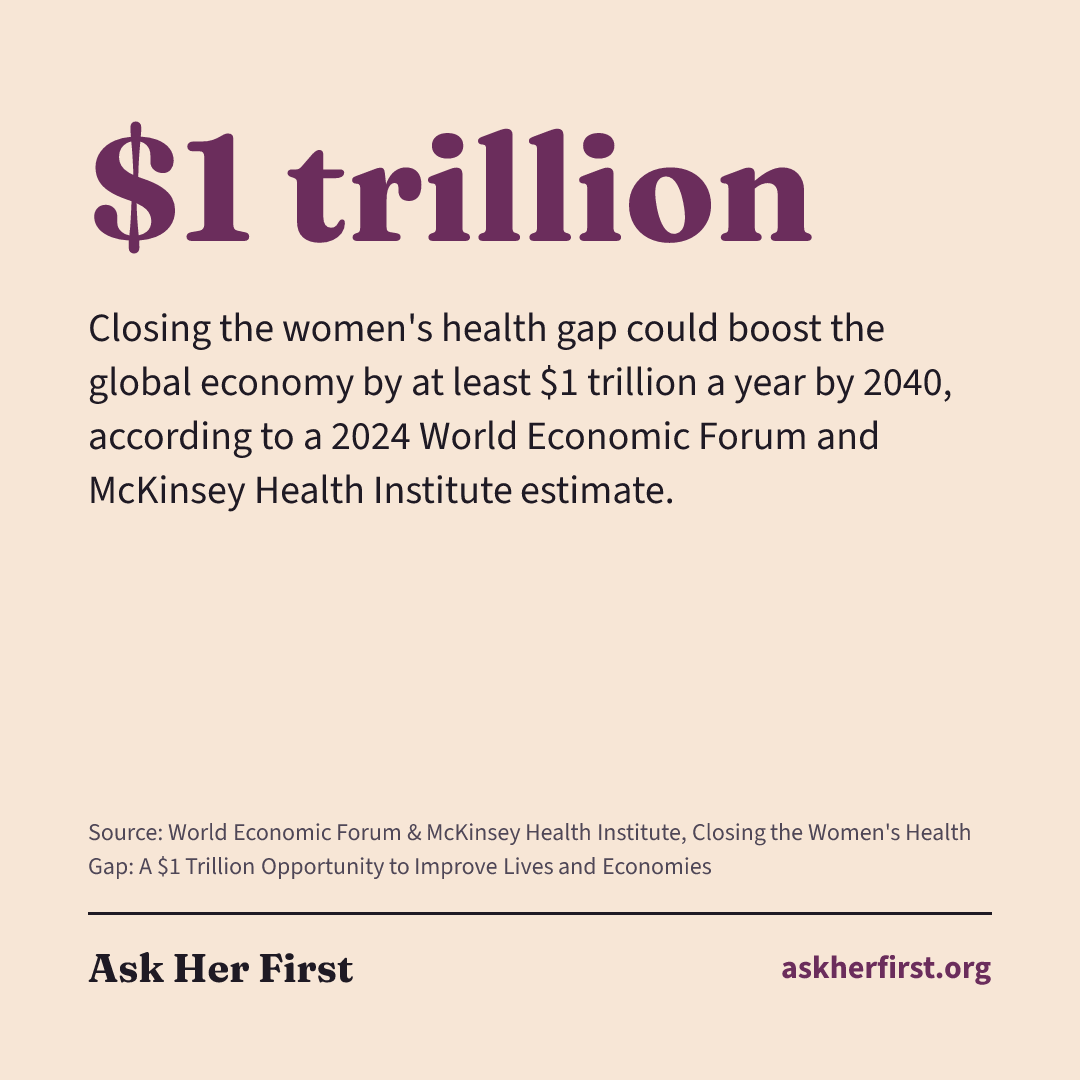
Closing the women's health gap could boost the global economy by at least $1 trillion a year by 2040, according to a 2024 World Economic Forum and McKinsey Health Institute estimate.
Missed or diagnosed late
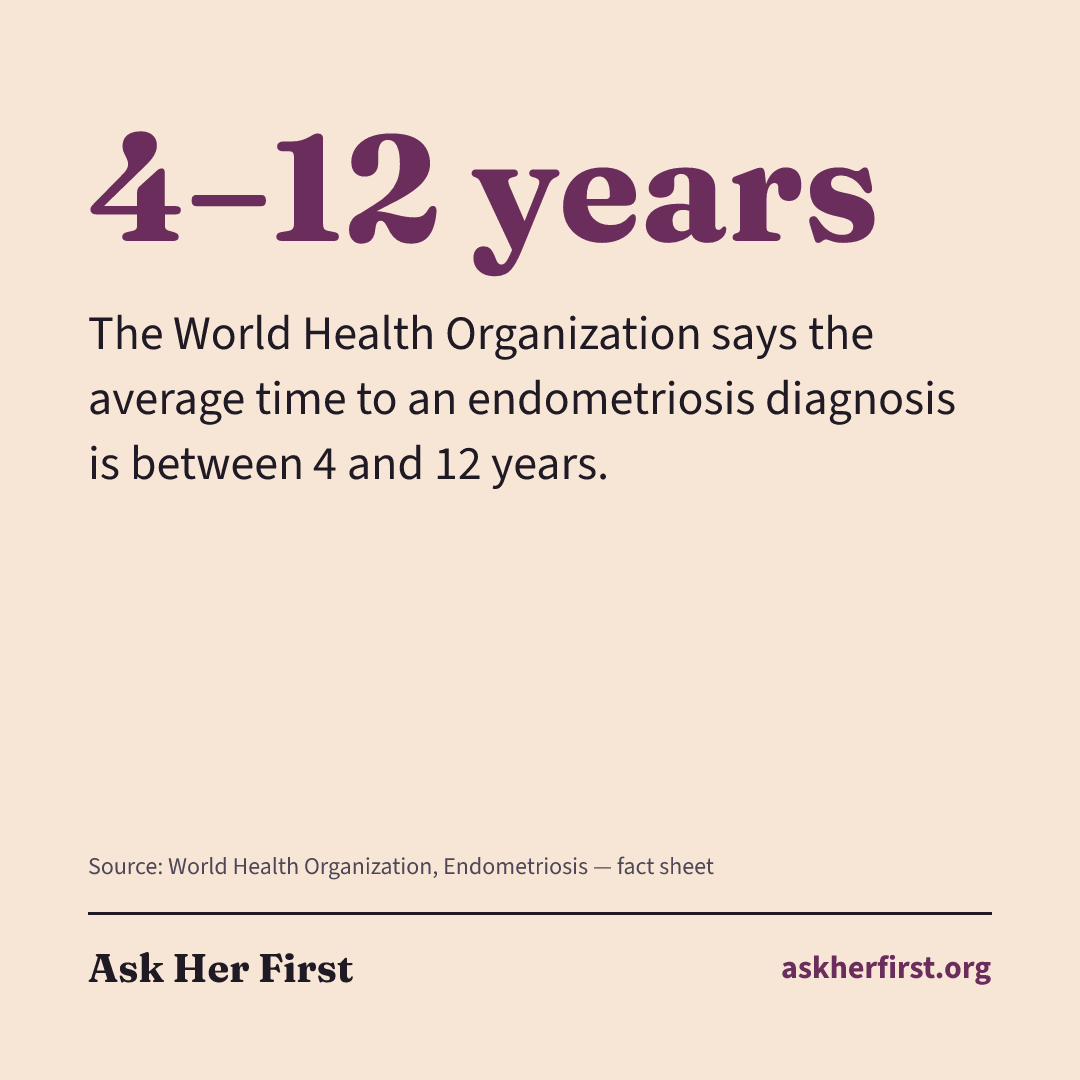
The World Health Organization says the average time to an endometriosis diagnosis is between 4 and 12 years.
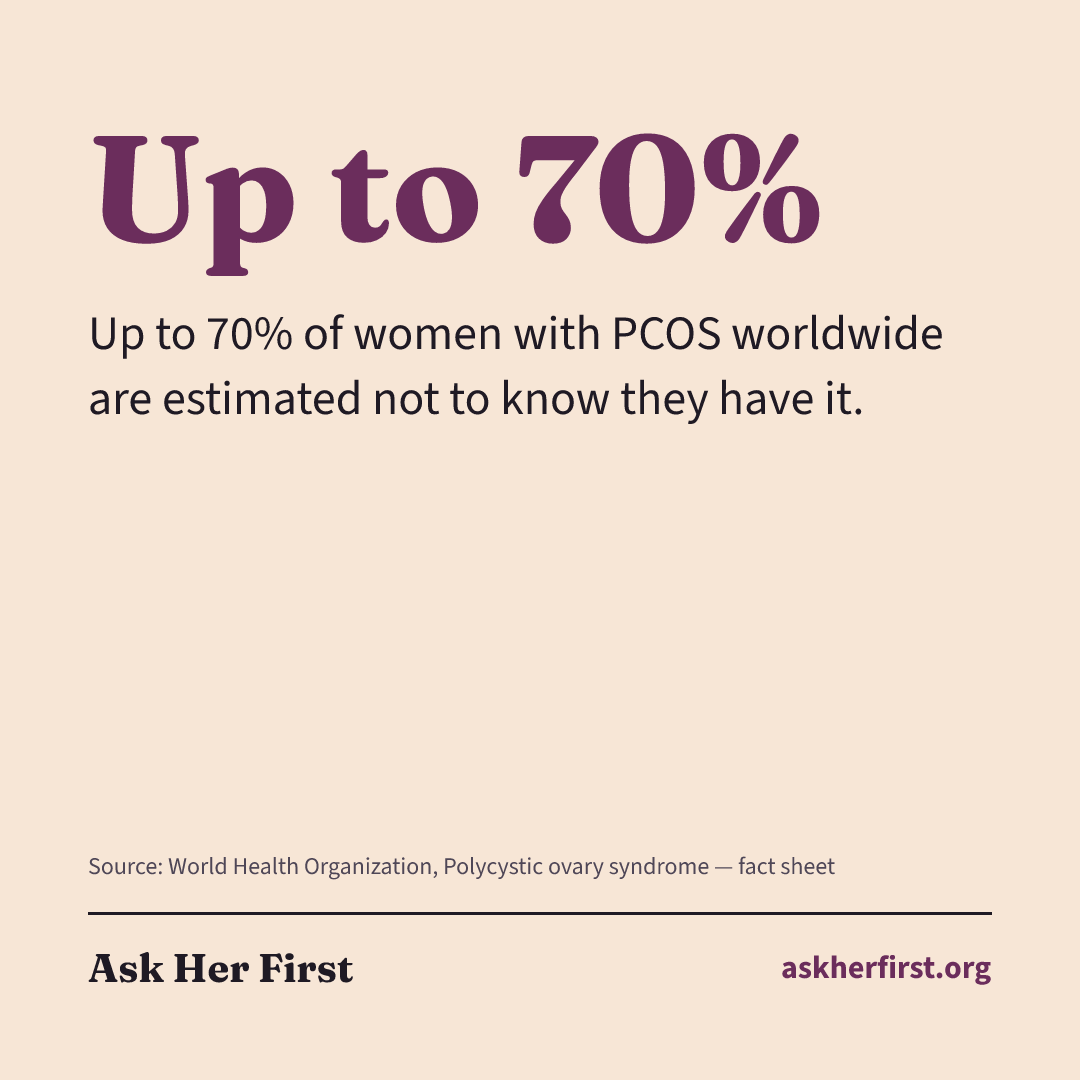
Up to 70% of women with PCOS worldwide are estimated not to know they have it.
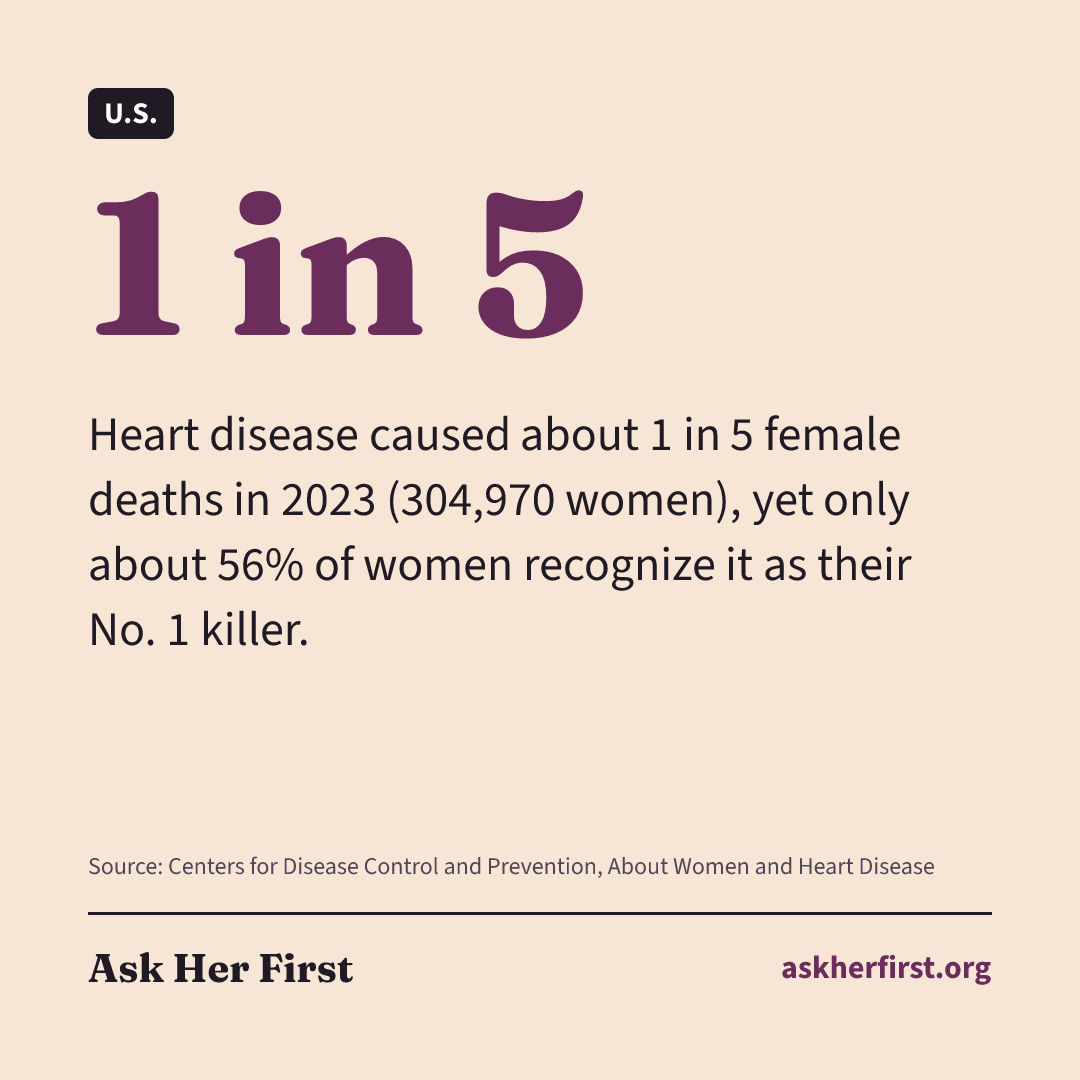
U.S.Heart disease caused about 1 in 5 female deaths in 2023 (304,970 women), yet only about 56% of women recognize it as their No. 1 killer.
Care that falls short
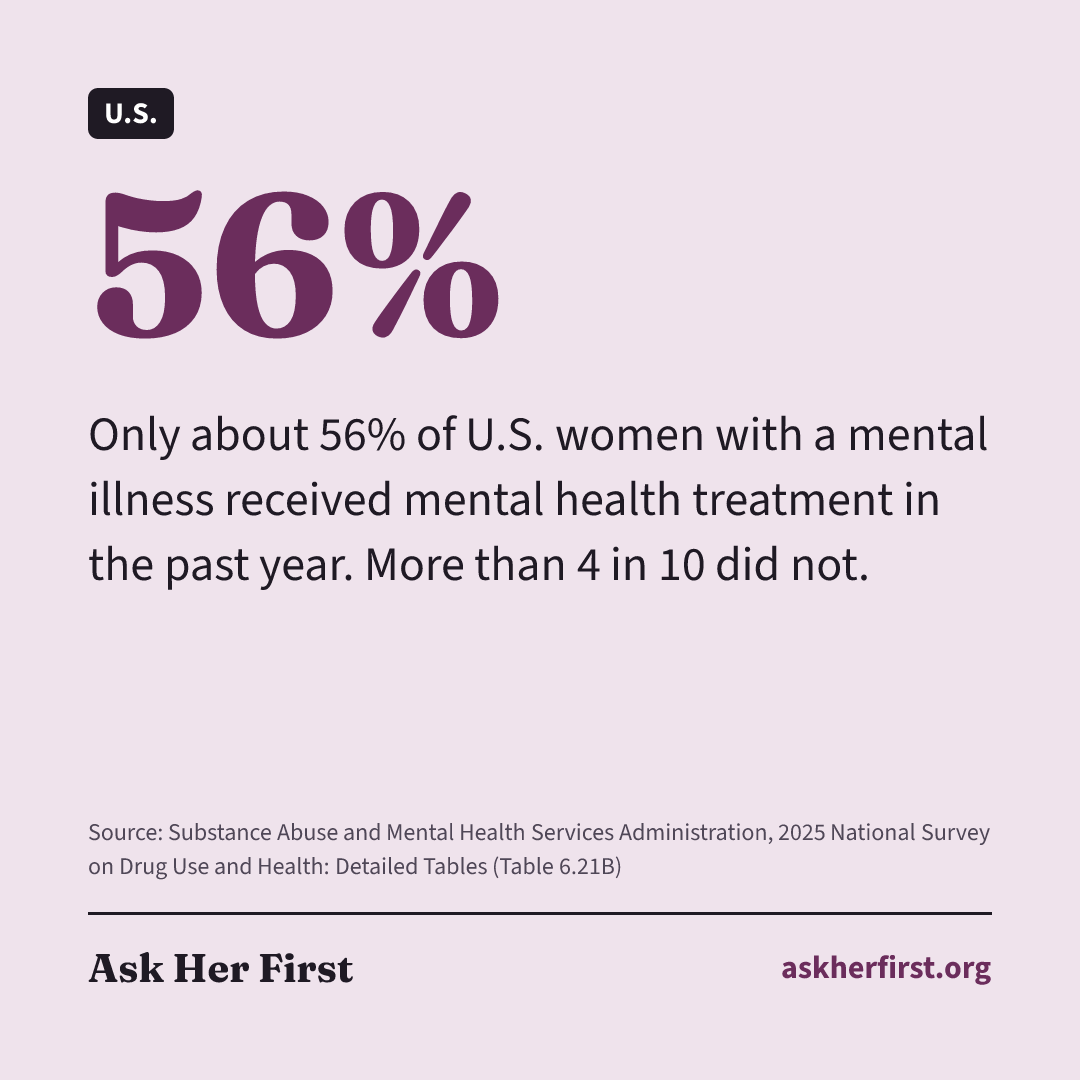
U.S.Only about 56% of U.S. women with a mental illness received mental health treatment in the past year. More than 4 in 10 did not.
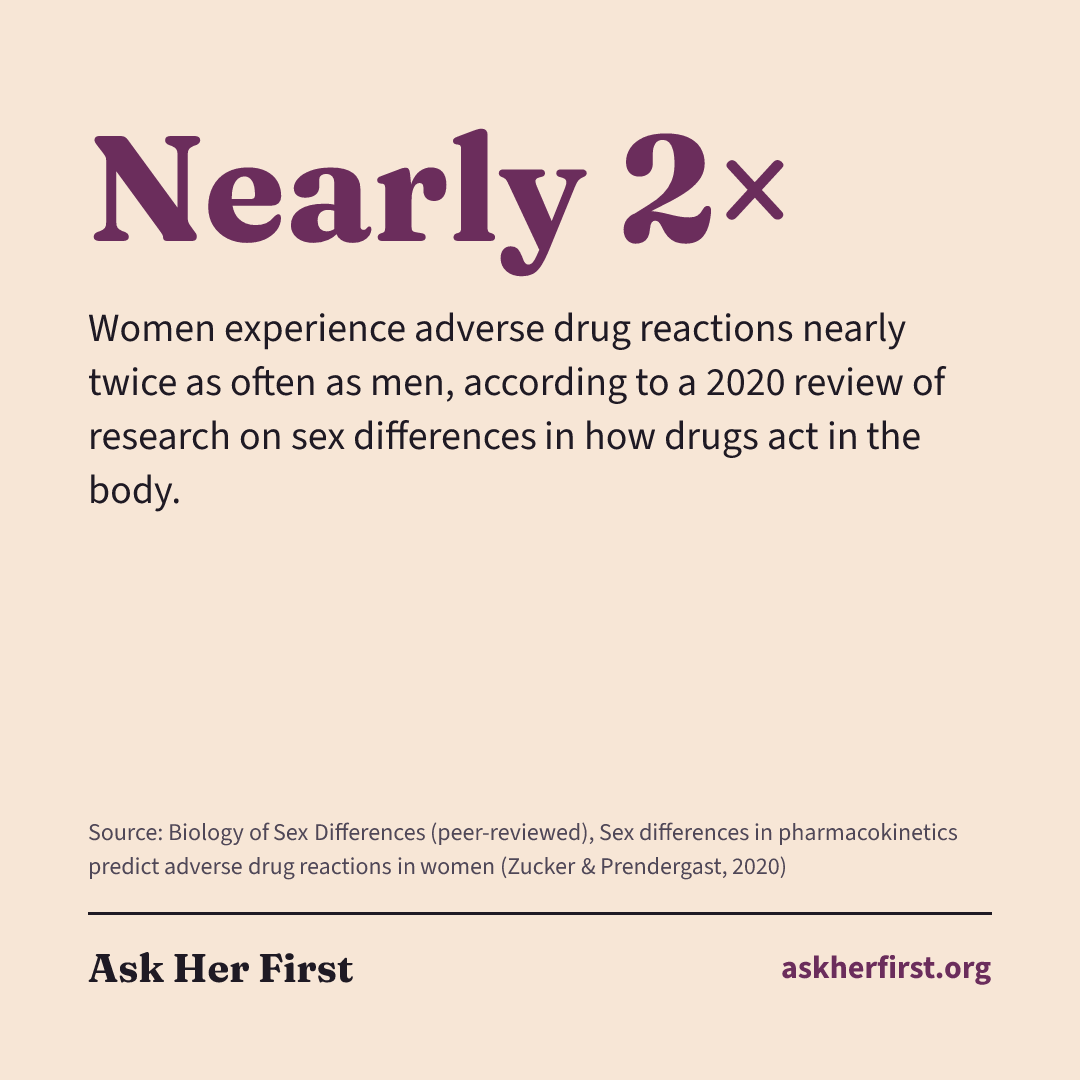
Women experience adverse drug reactions nearly twice as often as men, according to a 2020 review of research on sex differences in how drugs act in the body.
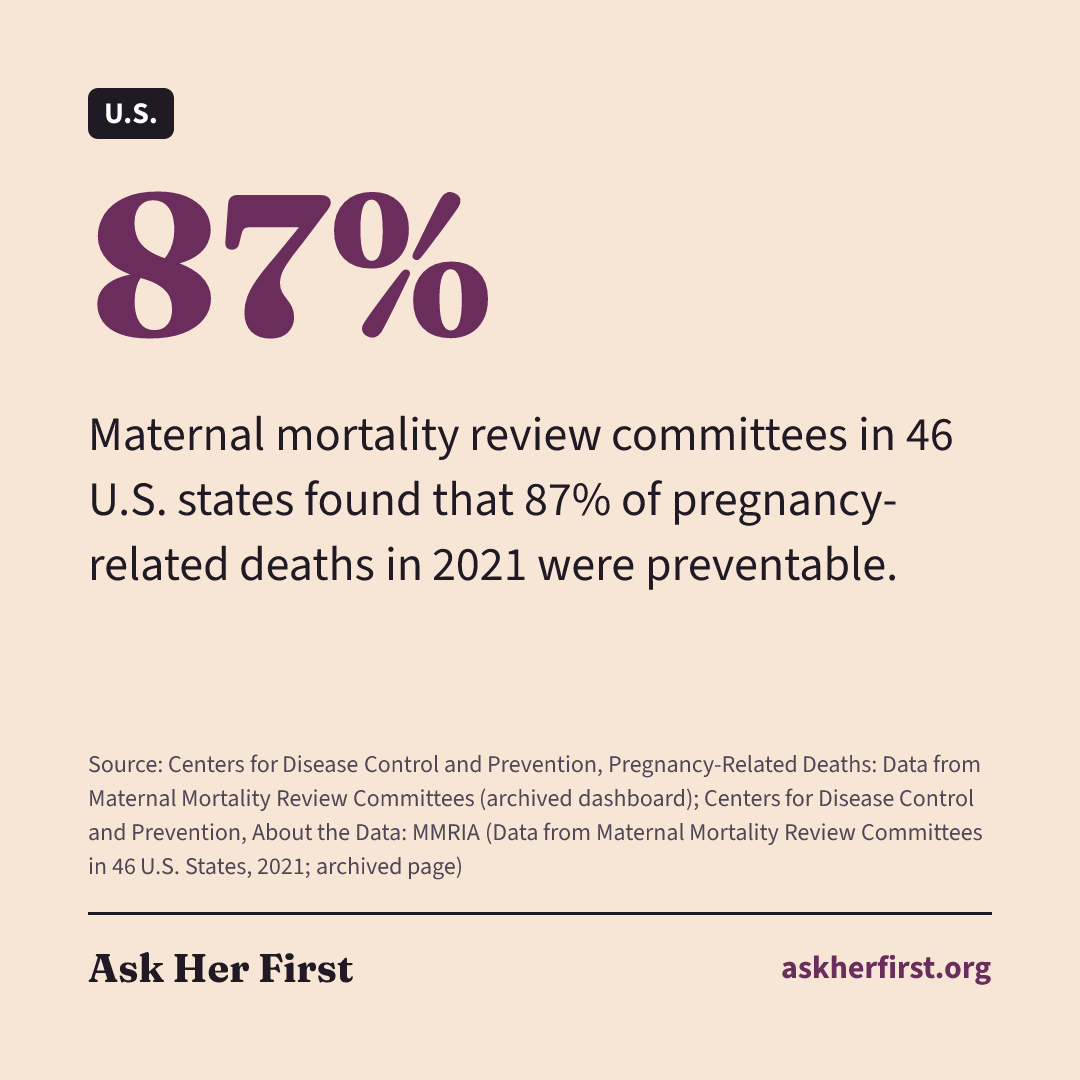
U.S.Maternal mortality review committees in 46 U.S. states found that 87% of pregnancy-related deaths in 2021 were preventable.
Unequal risks
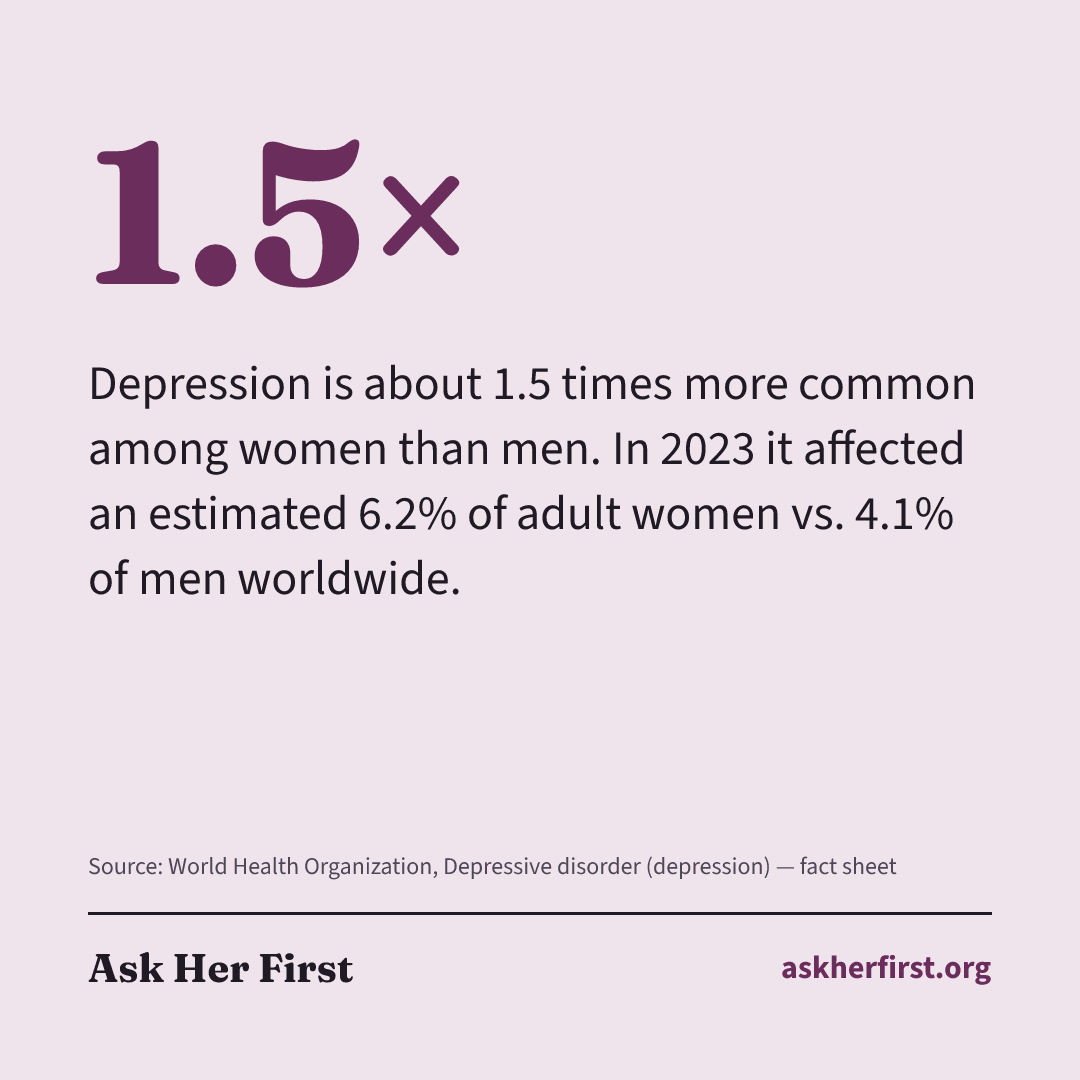
Depression is about 1.5 times more common among women than men. In 2023 it affected an estimated 6.2% of adult women vs. 4.1% of men worldwide.
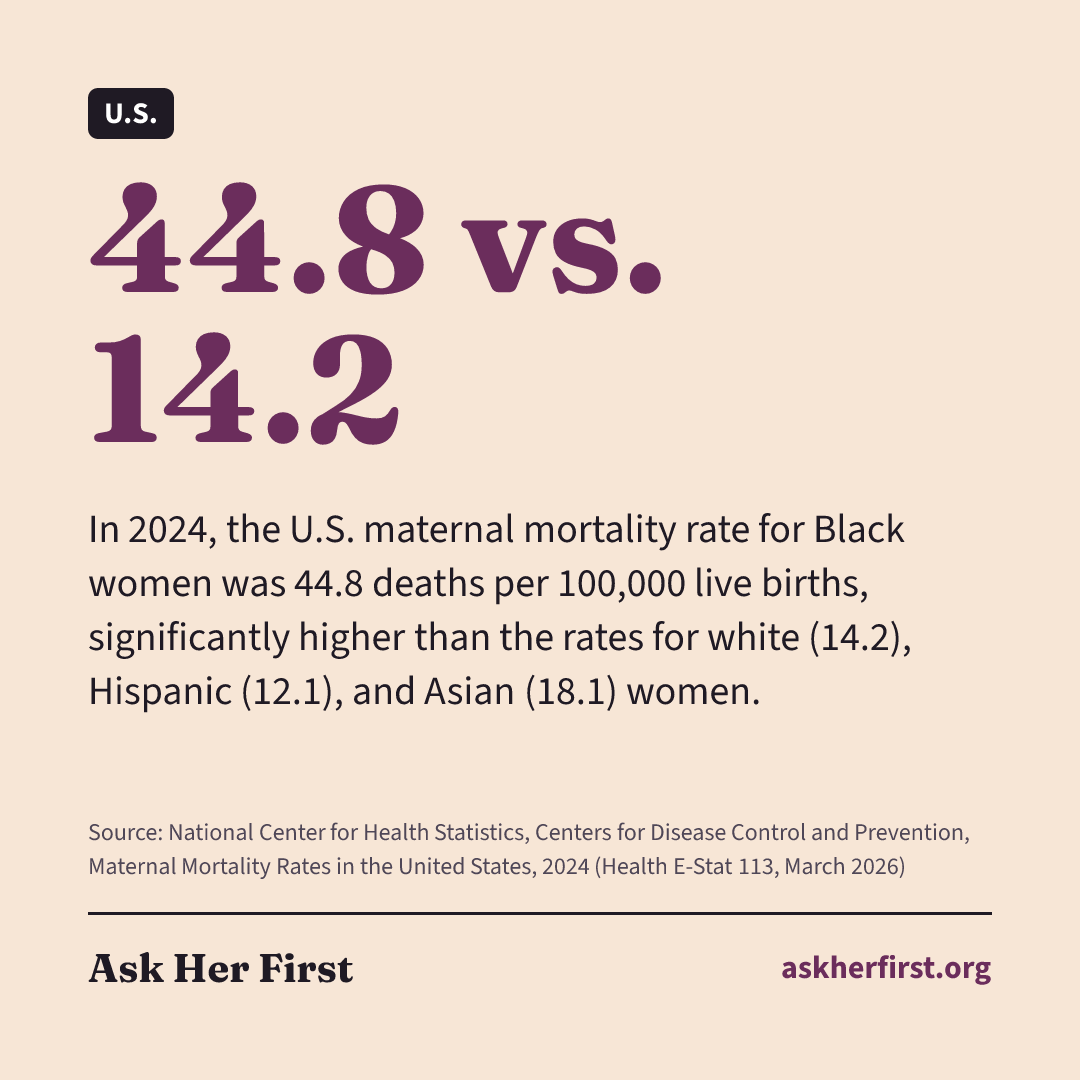
U.S.In 2024, the U.S. maternal mortality rate for Black women was 44.8 deaths per 100,000 live births, significantly higher than the rates for white (14.2), Hispanic (12.1), and Asian (18.1) women.
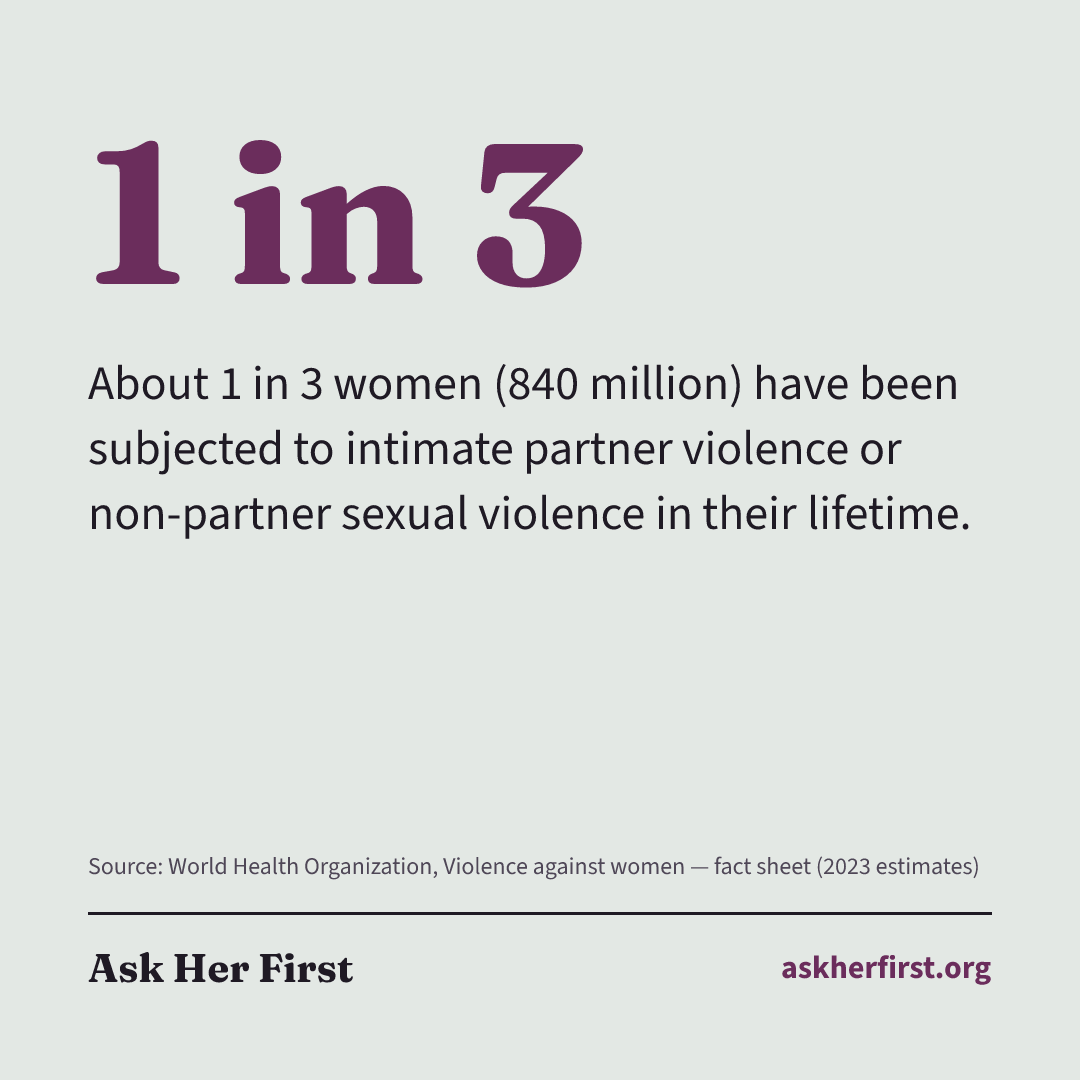
About 1 in 3 women (840 million) have been subjected to intimate partner violence or non-partner sexual violence in their lifetime.
Each topic page has more research findings: mental health, body & health, and rights & safety.
Rights on paper, rights in practice
From the UN Women / UN DESA Gender Snapshot reports, 2025 and 2026.
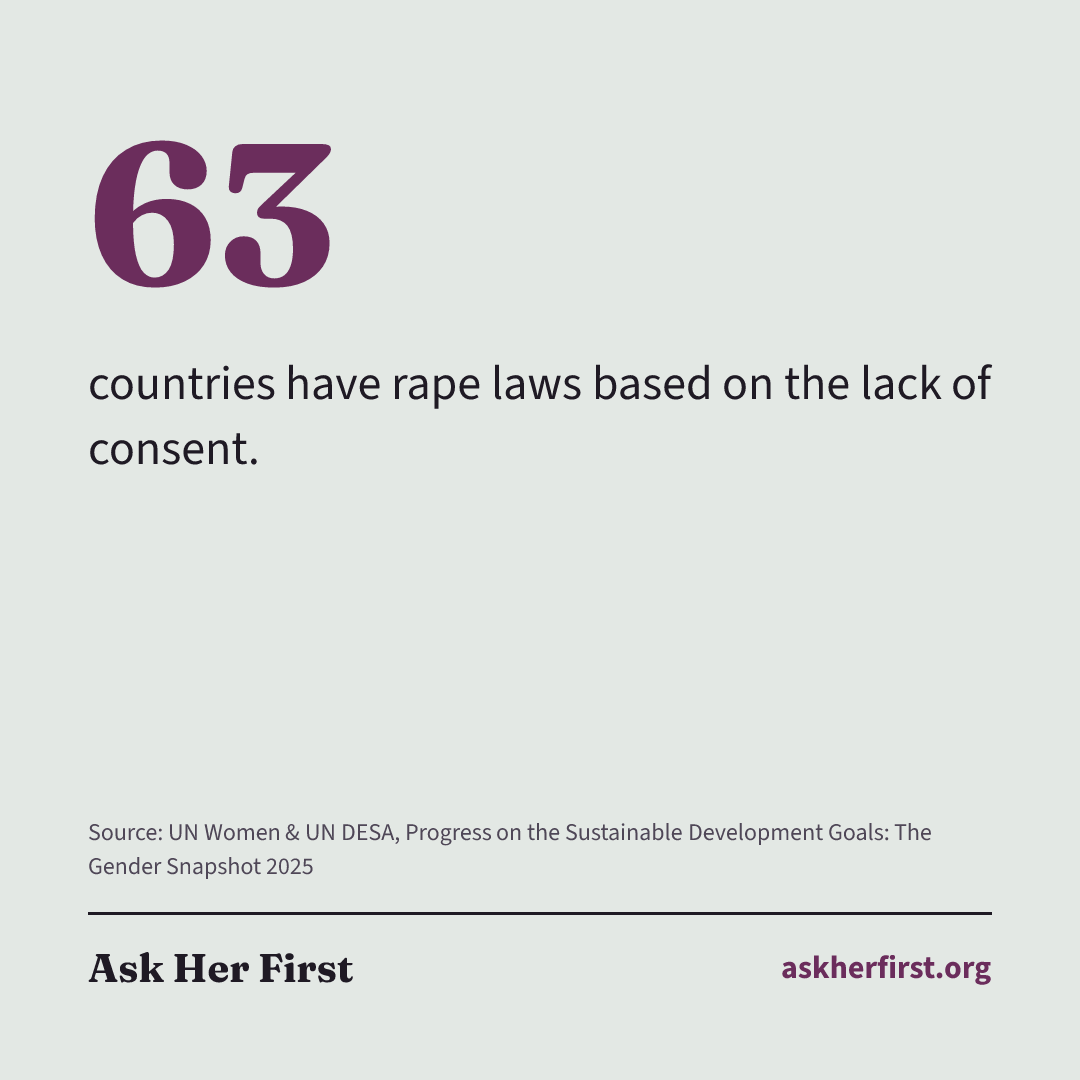
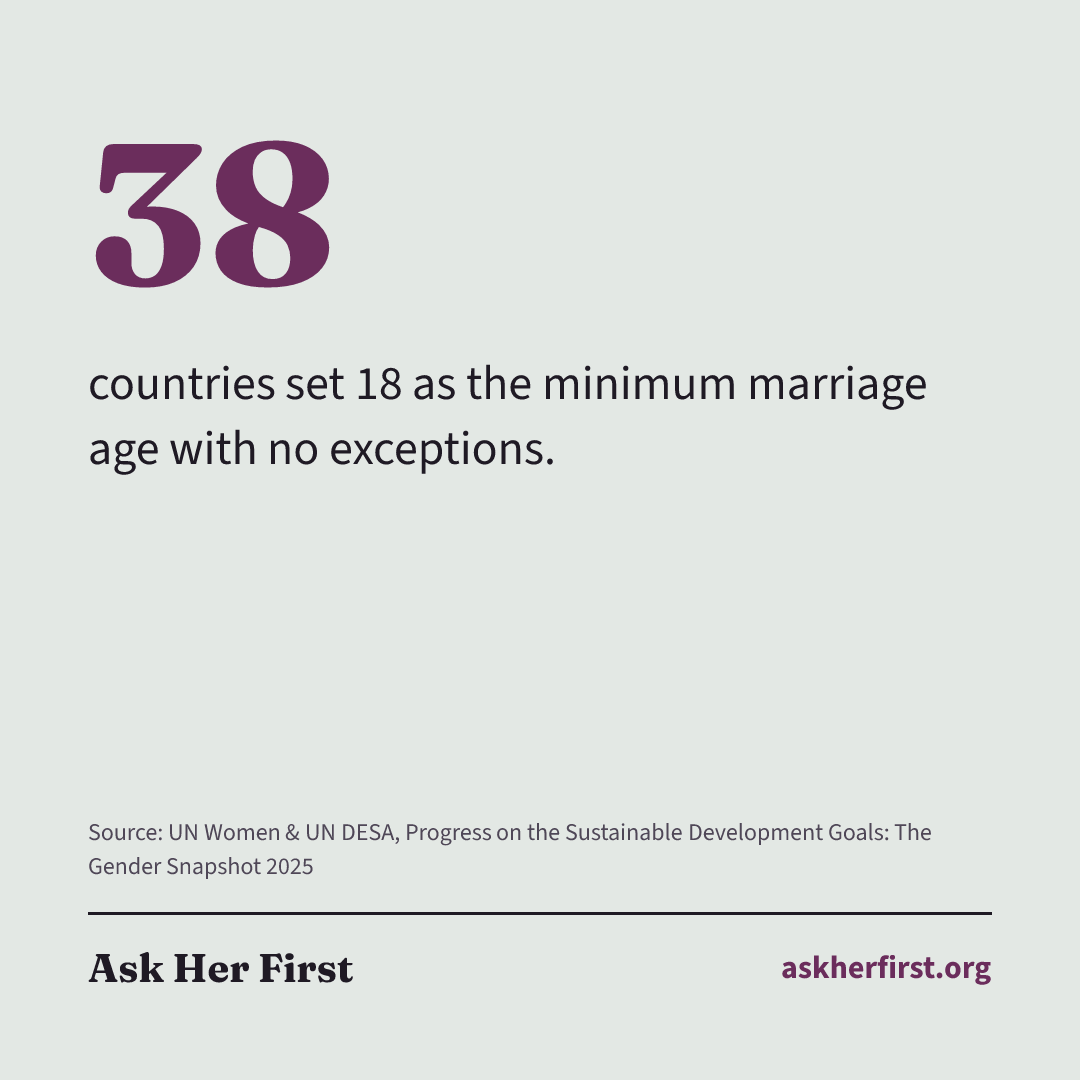
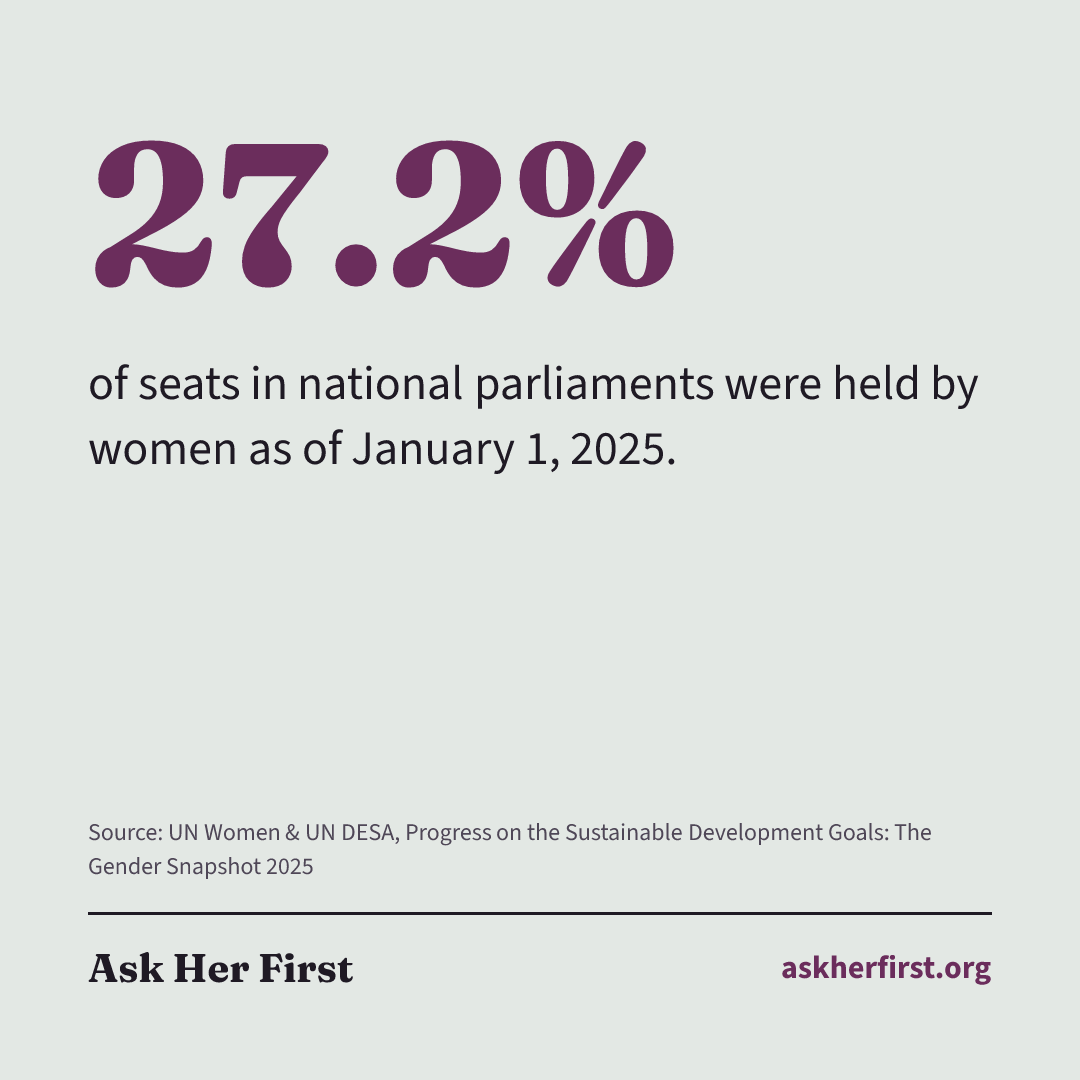
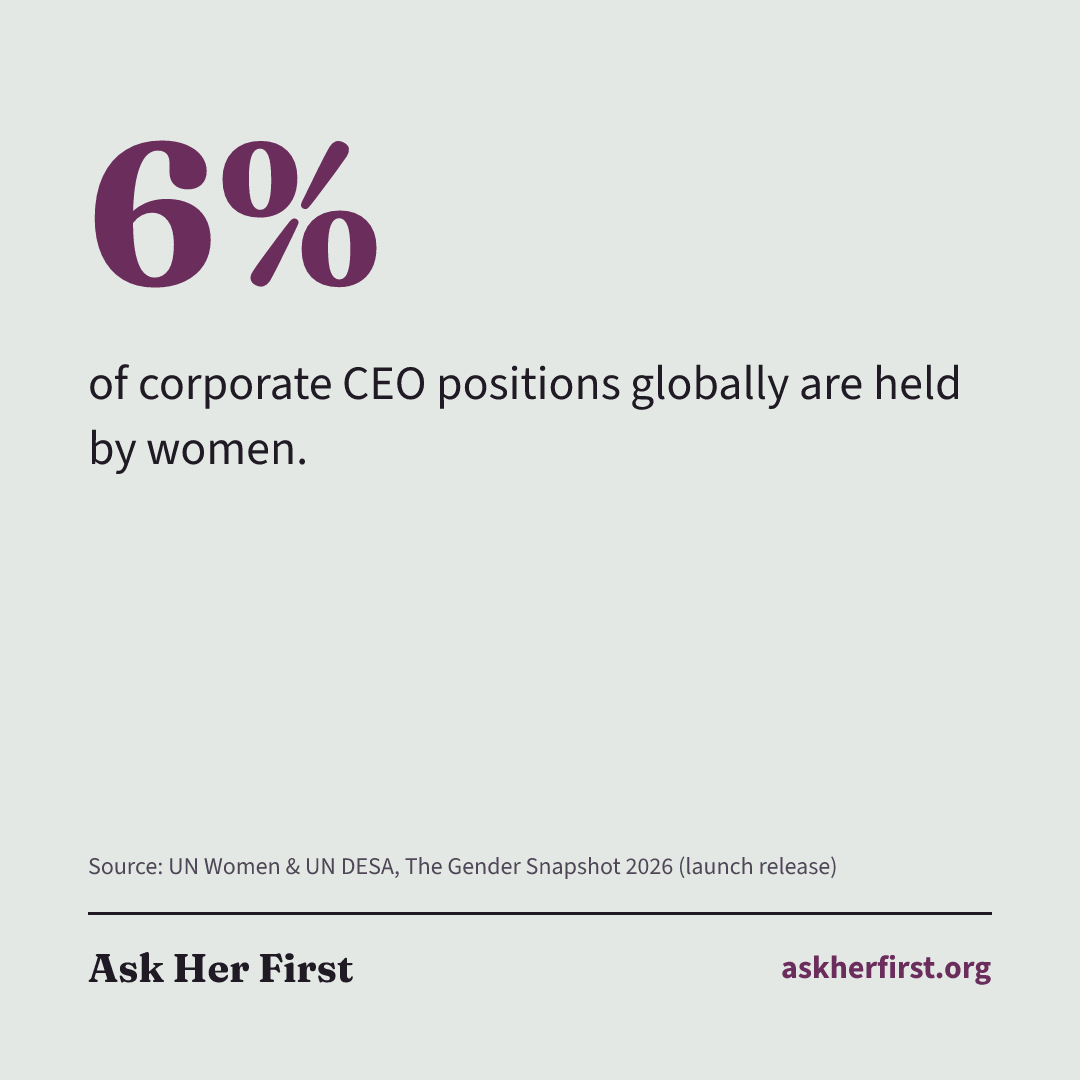
Laws matter: intimate partner violence rates are 2.5 times lower in countries with comprehensive measures on violence against women than in countries with weak protections.7
You don't have to figure this out alone
Free, confidential, 24/7 support in the United States.
988 Suicide & Crisis Lifeline
Call or text 988 or chat at 988lifeline.org. Free and confidential. ASL via videophone.11
Call or text 988National Maternal Mental Health Hotline
Call 1-833-TLC-MAMA (1-833-852-6262) or text 1-833-852-6262. Free and confidential. English and Spanish. TTY: use a relay service or dial 711, then 1-833-852-6262.10
Call 1-833-TLC-MAMANational Domestic Violence Hotline
Call 1-800-799-SAFE (7233), text START to 88788, or chat at thehotline.org. Free and confidential.12
Call 1-800-799-7233If you are in immediate danger, call 911. Worried about someone else? See how to help.
Sources for this page
- [1] World Economic Forum & McKinsey Health Institute, Closing the Women's Health Gap: A $1 Trillion Opportunity to Improve Lives and Economies, January 17, 2024. weforum.org
- [2] World Health Organization, Depressive disorder (depression) — fact sheet. who.int
- [3] World Health Organization, Violence against women — fact sheet (2023 estimates). who.int
- [5] World Health Organization, Endometriosis — fact sheet. who.int
- [6] Centers for Disease Control and Prevention, About Women and Heart Disease. cdc.gov
- [7] UN Women & UN DESA, Progress on the Sustainable Development Goals: The Gender Snapshot 2025, September 15, 2025. unwomen.org
- [8] UN Women & UN DESA, The Gender Snapshot 2026 (launch release), September 17, 2026. un.org
- [9] NIH Office of Research on Women's Health, History of Women's Participation in Clinical Research. orwh.od.nih.gov
- [10] Health Resources and Services Administration (HRSA), National Maternal Mental Health Hotline. mchb.hrsa.gov
- [11] Substance Abuse and Mental Health Services Administration (SAMHSA), 988 Suicide & Crisis Lifeline. samhsa.gov
- [12] National Domestic Violence Hotline, The Hotline. thehotline.org
- [14] Centers for Disease Control and Prevention, Pregnancy-Related Deaths: Data from Maternal Mortality Review Committees (archived dashboard), August 22, 2025. archive.cdc.gov
- [18] Substance Abuse and Mental Health Services Administration, 2025 National Survey on Drug Use and Health: Detailed Tables (Table 6.21B), July 27, 2026. samhsa.gov
- [21] U.S. Government Accountability Office, Drug Safety: Most Drugs Withdrawn in Recent Years Had Greater Health Risks for Women (GAO-01-286R), January 19, 2001. gao.gov
- [37] National Institutes of Health, Food and Drug Administration Guideline for the Study and Evaluation of Gender Differences in the Clinical Evaluation of Drugs (NIH Guide, Vol. 22, No. 31), August 27, 1993. grants.nih.gov
- [108] National Center for Health Statistics, Centers for Disease Control and Prevention, Maternal Mortality Rates in the United States, 2024 (Health E-Stat 113, March 2026). cdc.gov
- [109] Centers for Disease Control and Prevention, About the Data: MMRIA (Data from Maternal Mortality Review Committees in 46 U.S. States, 2021; archived page), August 22, 2025. archive.cdc.gov
- [136] World Health Organization, Polycystic ovary syndrome — fact sheet. who.int
- [155] Kling JM et al., Mayo Clinic Proceedings, Menopause Management Knowledge in Postgraduate Family Medicine, Internal Medicine, and Obstetrics and Gynecology Residents: A Cross-Sectional Survey, February 1, 2019. pubmed.ncbi.nlm.nih.gov
- [225] Biology of Sex Differences (peer-reviewed), Sex differences in pharmacokinetics predict adverse drug reactions in women (Zucker & Prendergast, 2020), June 5, 2020. pubmed.ncbi.nlm.nih.gov
The numbers match the superscripts above. See every source used on this site and how we choose them.