Polycystic ovary syndrome (PCOS) is a common hormonal condition that can cause irregular periods, trouble getting pregnant, extra facial or body hair, and acne.136 It is also a long-term metabolic condition linked with type 2 diabetes, and many women who have it have never been diagnosed.136 Knowing the signs can help you get care earlier.
What it is
In PCOS, hormone signals go wrong, leading to higher than normal levels of androgens (hormones such as testosterone) and other hormone imbalances.136 It usually shows up during the reproductive years, can start in adolescence, and lasts beyond menopause.136 The cause is unknown, but women with a family history of PCOS or type 2 diabetes are at higher risk.136
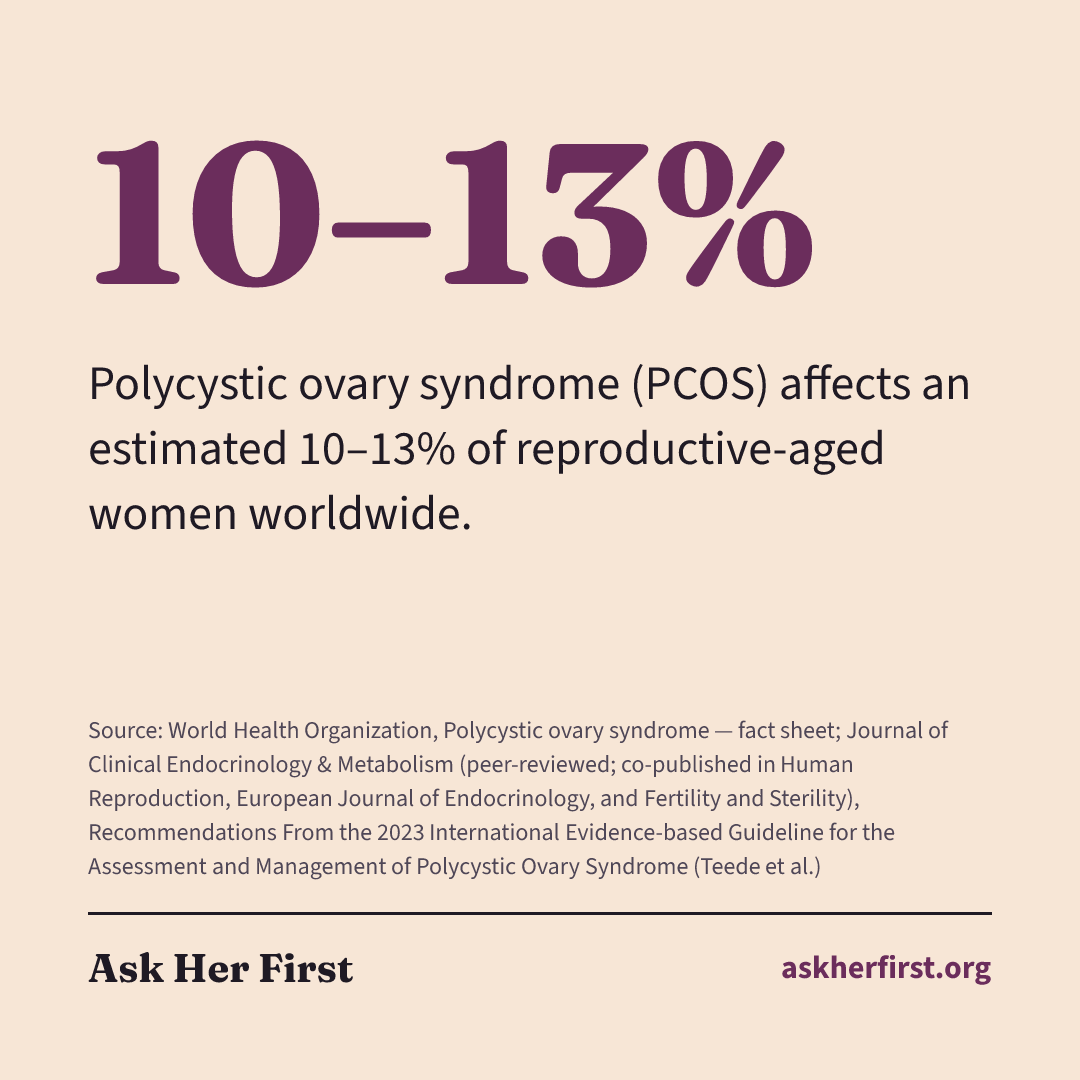
Polycystic ovary syndrome (PCOS) affects an estimated 10–13% of reproductive-aged women worldwide.136,137 PCOS occurs in all ethnic groups and world regions.137
A new name. In May 2026, an international group published a consensus in The Lancet renaming PCOS “polyendocrine metabolic ovarian syndrome,” or PMOS.138 The group said the old name is inaccurate because it suggests harmful ovarian cysts and hides the condition’s hormonal and metabolic features, contributing to delayed diagnosis, fragmented care, and stigma.138 The name was chosen through global surveys of people with the condition and health professionals, and the change is being phased in over a transition period.138 The National Institutes of Health now notes that PCOS is also known as PMOS.140 Not every expert supports the change: a commentary in the Journal of Clinical Endocrinology & Metabolism called the renaming “still an impediment to progress.”139 This article uses “PCOS,” the name used by most of the sources on this page.
Symptoms
Symptoms differ from person to person and can change over time.136 According to the World Health Organization (WHO), they can include:136
- Irregular, unpredictable, or absent periods, or for some women heavy, long, or painful periods
- Difficulty getting pregnant
- Extra hair on the face or body
- Thinning hair on the head (female-pattern hair loss)
- Acne or oily skin
The National Institutes of Health also lists weight gain or trouble losing weight, especially around the waist, and patches of thick, dark, velvety skin called acanthosis nigricans.141
Why so many cases are missed
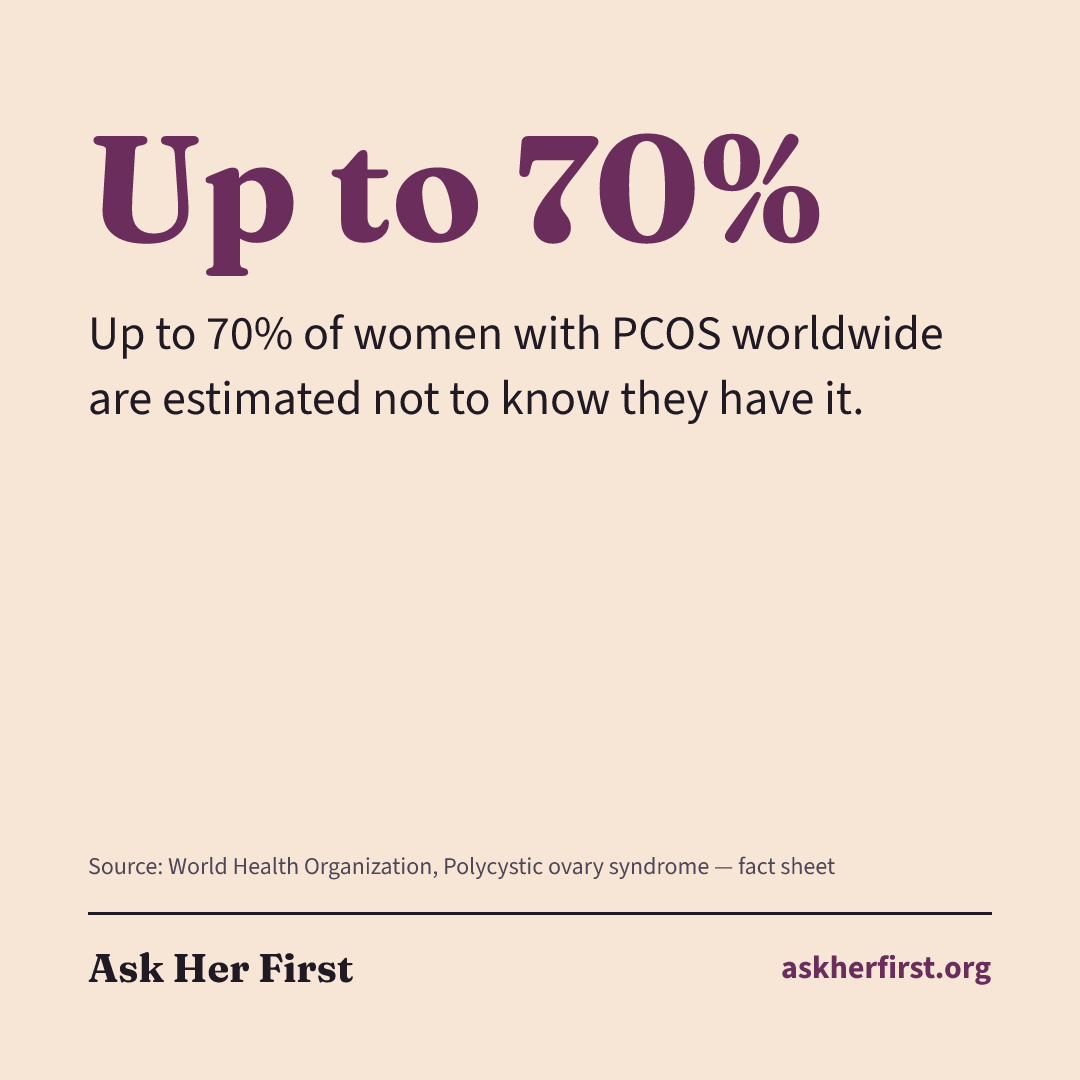
Up to 70% of women with PCOS worldwide are estimated not to know they have it.136PCOS is most often found when women struggle to get pregnant.136 Because many women don’t think of oily skin, extra hair growth, or acne as signs of a health condition, they may not mention them to their providers, and many are not diagnosed until they have trouble getting pregnant or have irregular periods.141 Providers may not suspect PCOS either, because the symptoms can seem unrelated.141
The 2023 international guideline found that women around the world experience delayed diagnosis and dissatisfaction with care.137 It called for much better education and awareness for both women and health professionals.137 WHO notes that structural racism and other social factors shape which women with PCOS seek and receive quality care.136
How it’s diagnosed
The 2023 International Evidence-based Guideline for the Assessment and Management of PCOS, developed with 39 professional and consumer organizations covering 71 countries, sets out how to diagnose it.137 In adults, a diagnosis requires two of these three features, after other causes have been ruled out:137
- Signs of high androgens: extra hair growth, acne, or hair loss, or high androgen levels on a blood test
- Irregular or absent ovulation, usually seen as irregular periods
- Polycystic ovaries on ultrasound, or, as an alternative new in 2023, a high level of anti-Müllerian hormone (AMH) on a blood test
Some important details from the guideline and WHO:
- You don’t need cysts to have PCOS. Some women with PCOS do not have polycystic ovaries.136
- Sometimes no scan is needed. If you have both irregular cycles and signs of high androgens, an ultrasound or AMH test is not required.137
- Teens are diagnosed differently. Adolescents need both high androgens and irregular ovulation, and ultrasound and AMH are not recommended for them because they are not specific enough at that age.137 Irregular periods can be normal in the first year after periods start.137
- Other conditions are ruled out first. These can include thyroid problems and high prolactin, checked with blood tests.137
- Follow-up tests. WHO says women newly diagnosed with PCOS should have more blood tests to check for insulin resistance and assess their heart disease risk.136
Links with diabetes, heart health, and other conditions
PCOS affects more than the ovaries. WHO lists a higher risk of:136
- Type 2 diabetes
- High blood pressure, high cholesterol, and cardiovascular disease
- Obesity and weight gain, especially around the belly
- Sleep apnea
- Metabolic steatohepatitis, a form of fatty liver disease
- Endometrial hyperplasia or endometrial cancer (overgrowth or cancer of the uterine lining)
- Gestational diabetes or high blood pressure during pregnancy
The 2023 guideline adds more detail:
- Diabetes. Regardless of age and weight, women with PCOS have an increased risk of type 2 diabetes and higher-than-normal blood sugar.137 The guideline recommends checking blood sugar at diagnosis and every 1 to 3 years after that, depending on other risk factors.137
- Heart health. Women with PCOS should be considered at increased risk of cardiovascular disease, though the overall risk before menopause is low.137 The guideline recommends a cholesterol test at diagnosis and a blood pressure check every year.137
- Sleep apnea. Obstructive sleep apnea is significantly more common in women with PCOS, regardless of weight.137
- Endometrial cancer. Premenopausal women with PCOS have a markedly higher risk of endometrial hyperplasia and endometrial cancer, but the overall chance of endometrial cancer is low, so routine screening is not recommended.137
- Pregnancy. PCOS should be considered a high-risk condition in pregnancy, with women identified and monitored.137
Fertility
PCOS is the most common cause of anovulation (not ovulating) worldwide and a leading cause of infertility.136 Even so, many women with PCOS can and do get pregnant.141 The 2023 guideline names letrozole as the preferred first medicine for infertility caused by PCOS, with other options such as IVF used if first treatments don’t work.137
Mental health
WHO says women with PCOS may experience anxiety, depression, eating disorders, or negative body image.136 Symptoms such as infertility, weight, and unwanted hair growth carry social stigma in many places, which can affect relationships, work, and well-being.136
The 2023 guideline says moderate to severe depressive and anxiety symptoms are common in PCOS, and it recommends screening all adults with PCOS for depression and anxiety, and all adolescents for depression.137 It also says eating disorders and disordered eating should be considered in PCOS, regardless of weight.137
If PCOS is weighing on your mood, you can bring it up with any clinician, and support is available below.
Treatment and lifestyle
There is no cure for PCOS, but treatment can improve quality of life, help with fertility, lower the risk of endometrial problems, and help prevent heart disease.136 WHO says treatment choices should be made together with your provider, based on your own values and preferences.136
- Healthy habits. WHO says healthy eating and physical activity are important for all women with PCOS, even if they don’t lead to weight loss.136 The guideline found no single diet or exercise plan works better than others for PCOS.137
- Less weight stigma. The guideline says weight bias and stigma should be minimized, and providers should ask permission before weighing women.137
- Irregular periods, extra hair, and acne. Combined birth control pills are the first-line medicine for irregular periods and high androgen symptoms.137 Androgen blockers may also be used for extra hair or acne.136 The guideline says they have a limited role, for when other treatments don’t work or can’t be used.137
- Metabolic health. The guideline recommends metformin mainly for metabolic features and says inositol offers limited benefits.137
What we don’t know yet
- The cause. The cause of PCOS is still unknown.136
- Quality of the evidence. The 2023 guideline found the evidence has improved but is still mostly low to moderate quality, and it calls PCOS a “neglected, yet common condition” that needs much more research.137
- Funding. The guideline urges funding bodies to recognize how common PCOS is and its links with heart disease and diabetes, and to increase research support.137
- Differences between groups. PCOS may be more common in some racial or ethnic groups, and some women have a higher genetic risk of metabolic problems.136 Genetic research suggests there may be two or more subtypes of PCOS.140
Questions to ask your doctor
- Could my symptoms be PCOS? What tests do I need to find out?
- What else could be causing my symptoms, and have those been ruled out?
- Should my blood sugar, cholesterol, and blood pressure be checked? How often?
- Which treatments fit my goals, whether that’s regular periods, less hair growth or acne, or getting pregnant?
- If I want to get pregnant, now or later, what should I know?
- I’ve been feeling down or anxious. Can we talk about that as part of my care?
- Could I have sleep apnea?
This article summarizes published research and official health information. It has not been reviewed by a clinician and is not medical advice. How we source.